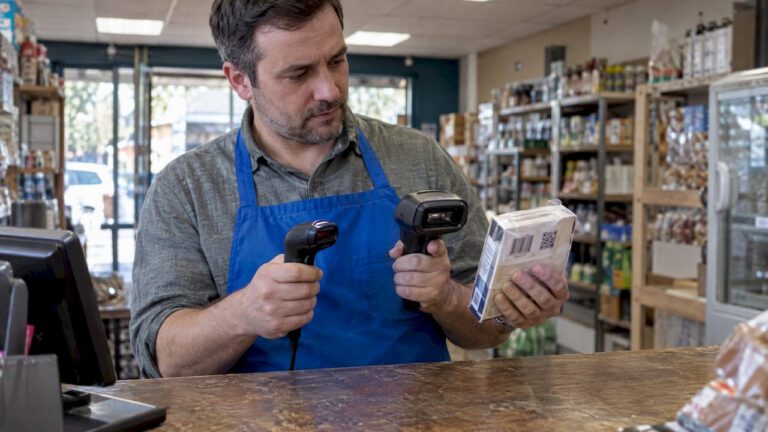

Training staff on a new POS system should combine role-based demonstrations, hands-on practice, realistic customer scenarios and clear operating procedures. Begin with everyday tasks such as logging in, processing sales and taking payments, then move to refunds, discounts, stock management and end-of-day reporting.
The best approach is to train employees in short sessions before launch, give them access to a practice environment and provide additional support during the first few days of live operation. This reduces errors, improves employee confidence and helps the business benefit from its new POS system sooner.
Key Takeaways
| Training area | Recommended approach |
|---|---|
| Training schedule | Use several short sessions instead of one long presentation |
| Employee roles | Teach staff only the functions relevant to their responsibilities |
| Practical experience | Allow employees to process test sales before launch |
| Payments | Cover cash, card, contactless, split payments and declined transactions |
| Mistakes | Demonstrate voids, refunds, discounts and order corrections |
| Security | Give each employee a separate login and appropriate permissions |
| Launch support | Keep a trained supervisor available during the first live shifts |
| Ongoing improvement | Review common errors and provide refresher training |
Why POS System Staff Training Matters
A modern point-of-sale system can improve order processing, payment collection, inventory management and business reporting. However, these benefits depend on employees knowing how to use the system correctly.

Insufficient training can lead to:
- Slower customer service
- Incorrect orders
- Payment mistakes
- Unnecessary refunds
- Inaccurate stock records
- Poor end-of-day reporting
- Frustrated employees
- Longer queues during busy periods
Good POS system staff training gives employees confidence before they begin serving customers. It also helps managers introduce consistent procedures across the business.
For example, a restaurant may use its EPOS system for table orders, kitchen printing, takeaway collections and card payments. A convenience shop may use the same type of system for barcode scanning, age-restricted products, stock control and cash drawer management. The training programme should reflect how the system will actually be used in each workplace.
Businesses that are still comparing systems should also consider how easy the software will be for employees to learn. Our guide to why reliable POS solutions matter for your business explains why usability, support and reliability should be considered alongside price.
1. Create a Clear POS Training Plan
Do not wait until installation day to decide how staff will be trained. Create a simple training plan before the new system goes live.
The plan should identify:
- Which employees require training
- Which features each person needs to understand
- Who will deliver the training
- Where training will take place
- How employees will practise
- When the system will go live
- Who will provide support after launch
Break the training into manageable sections. A cashier may need to understand sales, payments, returns and customer accounts. A restaurant server may need to learn table management, order modifiers, kitchen instructions and bill splitting. A manager may also require training on reporting, stock adjustments, employee permissions and end-of-day procedures.
A structured plan prevents employees from being overwhelmed with features they may never use.
2. Choose POS Champions Within Your Team
Select one or two reliable employees to become internal POS champions. These staff members should receive more detailed training than the rest of the team.
A POS champion can:
- Answer basic employee questions
- Demonstrate common tasks
- Identify repeated mistakes
- help new starters learn the system
- Report technical concerns to management
- Communicate with the POS provider
Choose employees who are patient, confident with technology and familiar with the day-to-day operation of the business.
In a busy takeaway, for instance, the shift supervisor may become the main POS champion because they already oversee order accuracy, collections and staff performance. In a retail shop, this responsibility may be shared between the store manager and a senior cashier.
Internal support is particularly useful when the business operates evenings or weekends and the owner is not always present.
3. Train Employees According to Their Roles
Role-based POS training is more effective than giving every employee the same demonstration.
Cashiers and Front-of-House Employees
Cashiers should learn how to:
- Log in securely
- Find or scan products
- Change quantities
- Apply approved discounts
- Accept cash and card payments
- Print or send receipts
- Correct an item before payment
- Handle declined transactions
- Place orders on hold
- Process returns according to company policy
Restaurant and Hospitality Staff
Restaurant employees may also need training on:
- Opening and managing tables
- Adding menu modifiers
- Recording allergies or customer instructions
- Sending orders to the kitchen
- Moving items between tables
- Splitting bills
- Processing takeaway, delivery and collection orders
- Applying service charges
- Managing order status
Businesses operating in food service can review the features available through Switch & Save hospitality EPOS.

Managers and Supervisors
Managers normally require access to additional functions, including:
- Refund approval
- Price changes
- Employee permissions
- Cashing-up
- Stock adjustments
- Sales reports
- Product management
- Performance reporting
- End-of-day procedures
Restricting sensitive features to authorised employees improves accountability and reduces the risk of accidental or unauthorised changes.
4. Begin With the Complete Sales Process
Start POS system staff training with the transaction employees will complete most frequently.
Demonstrate the complete customer journey from beginning to end:
- Log in using the correct employee account.
- Scan or select the required product.
- Adjust the quantity where necessary.
- Add any modifiers, notes or customer instructions.
- Confirm the order total.
- Select the payment method.
- Complete the transaction.
- Provide the receipt.
- Prepare the system for the next customer.
Complete the demonstration slowly at first. Explain not only which button to press, but also why each step matters.
After the demonstration, ask the employee to repeat the transaction without assistance. This allows the trainer to identify misunderstandings immediately.
5. Use Realistic Customer Scenarios
Employees need more than a perfect demonstration. Real customers change their minds, use different payment methods and ask questions while the transaction is being processed.
Create practice scenarios based on situations your team regularly encounters.
Retail Training Scenarios
A retail employee could practise:
- Scanning several products
- Removing an item before payment
- Processing an age-restricted item
- Applying an approved promotion
- Accepting part cash and part card
- Printing a duplicate receipt
- Holding one transaction while serving another customer
- Processing a return
Restaurant Training Scenarios
Hospitality staff could practise:
- Adding food modifiers
- Recording an allergy note
- Moving an order to another table
- Splitting the bill between customers
- Processing a takeaway order
- Adding extra items after the original order has been sent
- Correcting an incorrectly selected menu item
- Handling a declined card payment
These exercises help employees understand how the POS system fits into real service situations rather than treating it as a collection of isolated buttons.
6. Provide Hands-On Practice Before Launch
Watching someone use an EPOS system is not the same as using it independently. Every employee should complete practice transactions before serving real customers.
Where possible, use a training mode or test account so that practice sales do not affect genuine sales reports, cash totals or inventory records.
Ask employees to repeat common tasks until they can complete them without constant instructions. Focus particularly on:
- Finding products quickly
- Selecting the correct payment type
- Correcting mistakes
- Navigating between screens
- Completing the transaction accurately
Avoid introducing every advanced feature during the first session. Employees should first become comfortable with their essential responsibilities. Additional functions can be introduced once the basic workflow feels natural.
Businesses preparing for installation can also review our POS installation guide for UK retail and hospitality businesses.
7. Train Staff on Card, Cash and Contactless Payments
Payment training should be treated as a separate and important part of the programme.
Employees need to understand:
- How to select the correct payment method
- How integrated card payments work
- What to do when a card is declined
- How to process contactless payments
- How to handle cash accurately
- When the cash drawer should open
- How to deal with split payments
- When a supervisor must be called
- How to avoid recording the same payment twice
When the EPOS system and card terminal are integrated, the transaction amount can be transferred directly to the payment device. Staff should still confirm that the payment has been approved before completing the sale.
Employees should never guess whether a transaction has succeeded. They must check the terminal and POS confirmation before handing over goods or confirming an order.
8. Explain Refunds, Voids and Discounts
Mistakes will happen, especially during the first few shifts. Staff therefore need to know the approved process for correcting them.
Clearly explain the difference between:
- Removing an item before payment
- Voiding a transaction
- Cancelling an order
- Refunding a completed payment
- Applying a discount
- Correcting a price
- Returning stock to inventory
Some functions should require manager approval. Employees should understand when they can correct a transaction independently and when they must ask a supervisor.
A written refund and discount policy can prevent inconsistent decisions between employees. It also creates a clearer audit trail for management.
9. Cover Security and Employee Permissions
Every staff member should use their own login, PIN or employee account. Shared manager credentials make it difficult to identify who processed a refund, changed a price or adjusted stock.
Train employees to:
- Keep login details private
- Lock or log out of the system when leaving the till
- Avoid using another employee’s account
- Report suspicious activity
- Follow payment security procedures
- Protect customer information
- Request manager approval where required
Access should be based on job responsibilities. A cashier may need to process sales but not change product prices. A server may need to manage tables but not view business-wide financial reports.
Appropriate permissions protect both the business and its employees.
10. Prepare Employees for Technical Problems
Staff should know what to do when something unexpected happens. This does not mean teaching everyone advanced technical support. Instead, provide a simple troubleshooting process.
Employees should know:
- How to check whether the equipment is powered on.
- How to confirm that cables are connected.
- How to check the printer for paper.
- How to identify an internet or network problem.
- How to restart approved equipment safely.
- Who to contact when the issue cannot be resolved.
- Which transactions can continue during an interruption.
Keep important support details near the POS terminal. Employees should not attempt unauthorised changes to network settings, payment equipment or system configuration.
A reliable system and clear support route are particularly important for businesses operating during busy evenings, weekends and seasonal periods.
11. Use a Phased Launch Where Possible
Launching the complete system during the busiest shift creates unnecessary pressure.
Where practical, begin using the new POS system during a quieter period. Schedule experienced employees and POS champions for the first live shifts.
During the initial launch:
- Reduce unnecessary system changes
- Keep quick-reference instructions nearby
- Record common employee questions
- Check cash and card totals carefully
- Review stock discrepancies
- Provide immediate feedback
- Contact support when required
Managers should expect employees to work slightly more slowly at first. Speed normally improves as the team repeats the same processes.
The objective during the first few shifts should be accuracy and confidence rather than rushing transactions.
12. Provide Quick-Reference Training Materials
Create a short POS training guide containing the tasks employees perform most frequently.
The guide could include:
- Login instructions
- Basic sale steps
- Cash payment procedure
- Card payment procedure
- Refund approval process
- Discount rules
- Receipt reprinting
- End-of-shift responsibilities
- Support contact details
Keep the instructions brief and visual. Screenshots can be more useful than long paragraphs when employees need help during a shift.
The guide should support practical training rather than replace it.
13. Review Performance After Launch
POS training should continue after installation.
During the first week, review:
- Incorrect payment selections
- Cancelled transactions
- Unusual discounts
- Refund activity
- Cash differences
- Order errors
- Stock discrepancies
- Frequently asked staff questions
Use this information to plan short refresher sessions. For example, if several employees struggle to split restaurant bills, provide another practical demonstration focused only on that process.
Managers should also ask employees which parts of the system feel unclear. Front-line staff often identify workflow problems that may not be obvious during setup.

Common POS Training Mistakes to Avoid
Training Everyone at the Same Time
A large group demonstration can make it difficult to identify which employees need additional help. Use smaller groups where possible.
Providing Only Verbal Instructions
Employees may forget information after the session. Combine demonstrations with hands-on practice and written guidance.
Focusing Only on Basic Sales
Staff must also understand mistakes, refunds, declined payments and unusual customer requests.
Giving Too Much Access
Do not give every employee manager-level permissions simply to make training easier.
Launching Without Practice
The first live customer should not be the employee’s first attempt at using the system.
Ignoring Feedback
Employees who use the POS system every day can provide useful information about product layouts, menu organisation and inefficient steps.
POS System Staff Training Checklist
Before launching your new system, confirm that employees can:
- Log in with their own credentials
- Find products or menu items
- Scan barcodes where applicable
- Change quantities
- Add order notes and modifiers
- Accept cash payments
- Accept card and contactless payments
- Handle declined transactions
- Print or resend receipts
- Correct items before payment
- Request refunds appropriately
- Use discounts according to company policy
- Hold and retrieve orders
- Follow age-verification procedures
- Complete end-of-shift responsibilities
- Contact the correct person for support
Managers should also confirm that supervisors understand reporting, permissions, stock adjustments, cashing-up and refund approval.
How Switch & Save Can Support Your POS Training
Switch & Save provides AI-powered EPOS systems for UK retail, hospitality, takeaways, cafés, restaurants, bars, grocery shops and other small businesses.
A properly configured EPOS system can help employees process transactions more efficiently while giving managers improved visibility over sales, stock, payments and business performance.
When introducing a new system, consider the full implementation process rather than the hardware alone. Installation, product setup, employee training, payment integration and ongoing support all contribute to a successful launch.
For restaurant businesses, our complete restaurant till system guide explains the features and considerations involved in choosing a suitable system.
Frequently Asked Questions
How long does it take to train staff on a new POS system?
Basic cashier or server functions can often be introduced through several short training sessions. Managers may require additional training because they use reporting, permissions, stock control and administrative features. The total time depends on the complexity of the business and the employee’s role.
Should POS training happen before or after installation?
The main practical training should happen after the system has been configured but before it goes live. This allows employees to practise using the actual products, menus, prices and workflows they will use during normal service.
What should be included in POS training?
Training should cover login procedures, product selection, order entry, payments, receipts, refunds, discounts, security, troubleshooting and end-of-shift responsibilities. Hospitality businesses may also need table management, kitchen instructions, bill splitting and takeaway order training.
How can managers help employees who struggle with the new system?
Provide individual practice, repeat the most common tasks and use realistic customer scenarios. A quick-reference guide and support from an internal POS champion can also improve confidence.
Should every employee have their own POS login?
Yes. Individual employee accounts improve security and accountability. Permissions can also be adjusted so each employee can access only the functions required for their role.
How do you train restaurant staff on a POS system?
Start with opening tables, entering orders, adding modifiers, sending instructions to the kitchen and taking payments. Then practise more complex situations such as moving tables, splitting bills, adding late items and correcting order mistakes.
How do you train retail staff on a new till system?
Retail training should cover product scanning, manual product searches, quantities, promotions, cash and card payments, receipts, returns, age-restricted products and stock-related procedures.
What should employees do when the POS system stops working?
Employees should follow the business’s approved troubleshooting process, check basic connections and contact the designated manager or support provider. They should not make unauthorised changes to payment devices, network settings or system configuration.
Successful POS system staff training is practical, role-specific and continuous. Employees should first learn the transactions they complete most often, then practise more difficult situations such as refunds, split payments, order changes and technical interruptions.
A clear training plan, individual employee accounts, realistic practice scenarios and support during the first live shifts can significantly improve the transition to a new system.
Switch & Save helps UK businesses reduce costs with AI-powered EPOS systems, card payment solutions and business finances.
Recommended Blogs