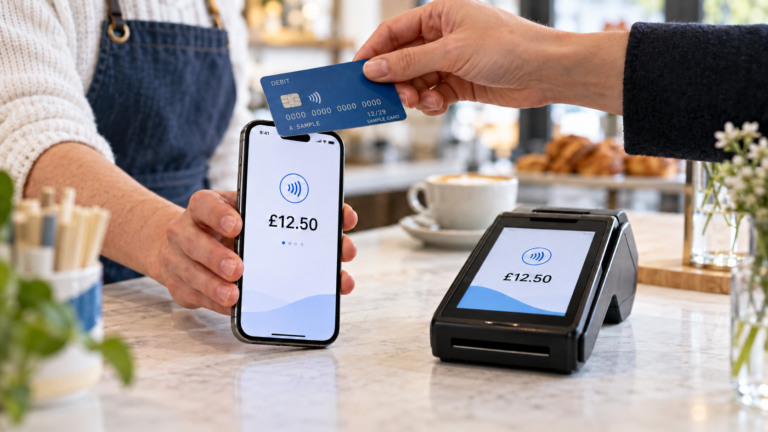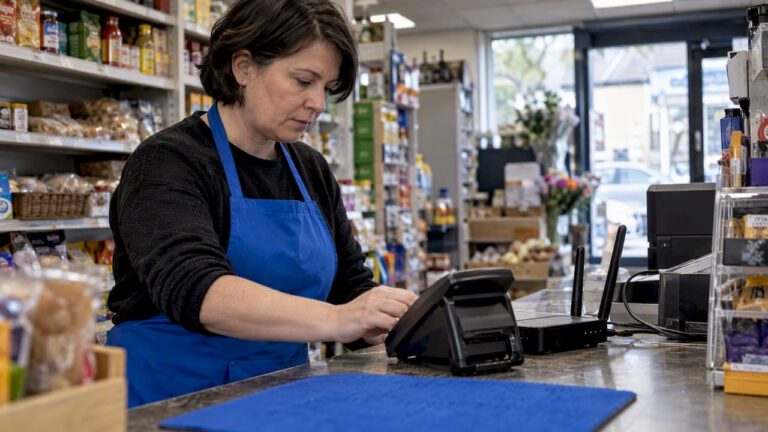

An acquirer is the party that holds your merchant contract and settles card funds; a PSP is the broader commercial and technical layer that may bundle gateways, processors and even acquiring into one package. The Payment Services Regulations 2017 and the FCA treat every acquirer as a type of PSP, but not every PSP acts as an acquirer. Small merchants usually do fine with a bundled PSP; larger or high-volume businesses often benefit from choosing a separate acquirer for more control over fees.
TL;DR:
- Request an interchange plus breakdown and compare acquirers’ summary boxes; blended rates are easier to read but make underlying fees harder to audit.
- Ask whether settlement stays within the same bank or crosses institutions, since interbank transfers can add a working day and affect weekend visibility.
- High volume ecommerce and marketplace businesses should consider a separate acquirer when fee negotiation outweighs bundle convenience, especially across multiple markets.
- Single site retailers usually need a bundled provider, while multi site hospitality groups should prioritize consolidated reporting and confirm how settlement varies across terminal networks.
- The acquirer typically carries chargeback liability and reserve risk, so ask what triggers withheld funds, when settlement arrives, and whom to contact first.
Table of Contents
- Defining acquirer, PSP, processor and gateway
- How a card payment moves from till to bank account
- What acquirers and PSPs actually charge you
- Settlement timing and what it means for your cashflow
- Acquirer-agnostic PSPs versus all-in-one bundles
- Matching the setup to your business type
- One bundle instead of three contracts
- Where payment regulation is heading next
- Get an integrated EPOS and payments quote
- FAQ
- Sources
Defining acquirer, PSP, processor and gateway
These four words get used interchangeably in sales conversations, but they mean specific things under UK payments law.
An acquirer is defined by the Payment Services Regulations 2017 as a PSP that contracts directly with a payee (you, the merchant) to accept and process payment transactions, resulting in a transfer of funds to your account. The FCA Handbook glossary confirms the same role: an acquirer enables card acceptance and moves funds to the payee. This makes acquiring a specific, regulated activity rather than a generic service label.
A PSP is the umbrella term. It covers any provider offering payment services, which can include acquiring, but just as often means a reseller that bundles a gateway and a processor under one contract, while the actual acquiring sits with a bank behind the scenes.
The roles split into two categories:
- Technical layer: the gateway captures and encrypts transaction data; the processor routes it to the card schemes.
- Contractual and financial layer: the acquirer holds your merchant agreement, carries settlement risk and sends funds to your bank.
A typical transaction passes through five players: cardholder, merchant, gateway, processor or acquirer, and card issuer. Understanding which of these your provider actually is, rather than what it calls itself, determines who you can escalate a dispute to and who ultimately decides your pricing. Partner guidance on gateway types is worth a read if you are building or rebuilding an online checkout and need to separate the gateway question from the acquiring question.
How a card payment moves from till to bank account
Every card transaction goes through three distinct stages, and each one sits with a different party.
- Authorisation: the gateway or terminal sends transaction details to the processor, which checks with the card scheme and issuer that funds are available.
- Clearing: transaction data is batched and passed between the acquirer and the issuing bank to confirm the amount owed.
- Settlement: the acquirer transfers the net funds into your business bank account, often the next working day.
Settlement doesn’t always move through the same rails. The Bank of England notes that when your acquirer and your business bank are different institutions, bulk settlement often runs through CHAPS rather than instant payment schemes.
The acquirer typically carries chargeback liability and reserve risk, which is why it can hold back funds when it sees unusual trading patterns. Payment facilitators and aggregators change this slightly: they sit between you and the acquirer, which can mean faster onboarding but less direct control if a dispute arises.
When comparing providers, ask what triggers a reserve, how quickly settlement actually lands, and who you contact first when a chargeback appears on your statement.
What acquirers and PSPs actually charge you
Card fees are made up of several layers, and the headline rate you’re quoted rarely shows all of them.
Interchange fees go to the card-issuing bank, scheme fees go to Visa or Mastercard, and the acquirer adds its own processing margin on top. The PSR’s market review found that acquirers typically pass scheme and processing fees straight through to merchants, with limited room to negotiate because there are very few credible alternatives to the main card schemes.
Pricing usually arrives in one of three shapes:
- Interchange plus (IC+): interchange and scheme fees shown separately, plus a clear margin, the most transparent model.
- Blended rate: one flat percentage covering everything, simpler to read but harder to audit.
- Pence plus percentage: a fixed transaction fee combined with a percentage, common with card machine providers.
To improve comparability, the PSR now requires main acquirers to publish a summary box and run an online quotation tool, so you can line up quotes on equal terms rather than guessing what’s excluded.
Pro Tip: Ask every provider for their IC+ breakdown, not just the headline rate, and check our guide to processing rates before signing anything.
Settlement timing and what it means for your cashflow
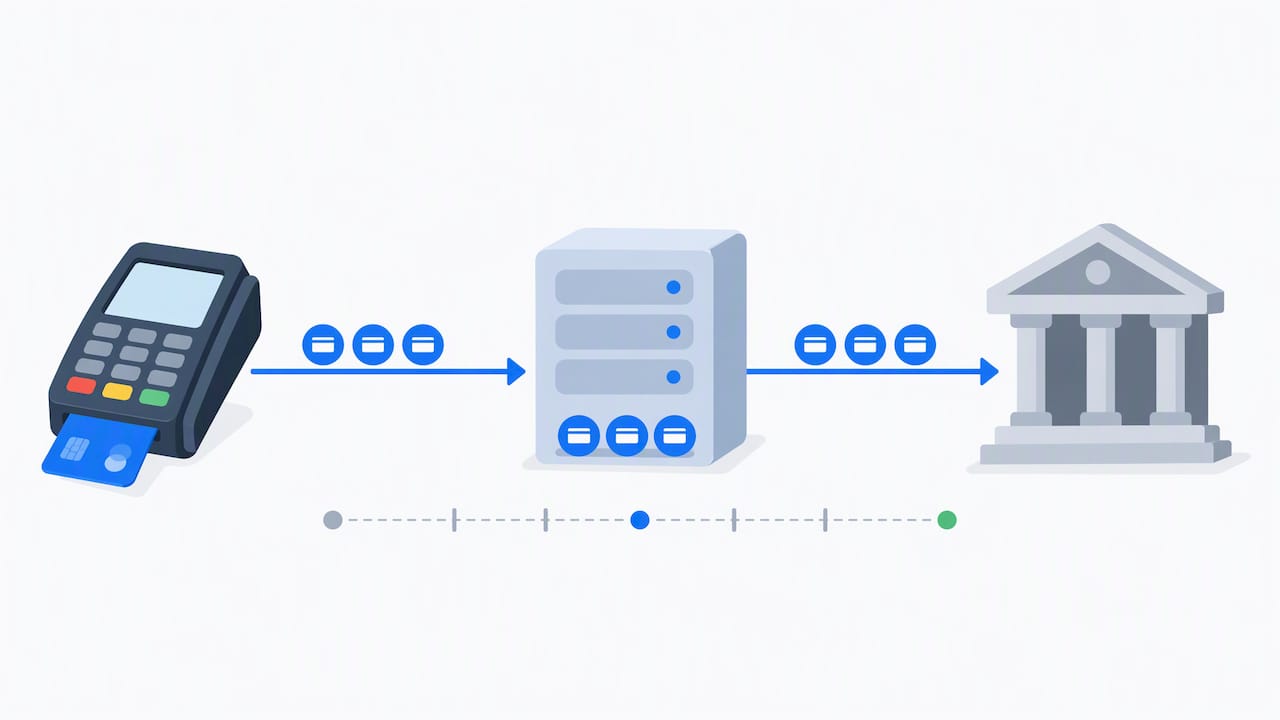
How quickly funds reach your account depends on whether settlement happens inside one organisation or crosses between banks.
When your PSP is also your bank, settlement is internalised and tends to be faster, since no money needs to move between separate institutions. When your acquirer and your business bank differ, settlement commonly relies on CHAPS or RTGS for bulk transfers, which can add a working day.
- Card-not-present transactions sometimes settle on a different schedule to in-store chip and PIN payments.
- High-value transactions are more likely to route through CHAPS rather than Faster Payments.
- Same-bank arrangements generally give you earlier visibility of settled funds in your account.
If predictable cashflow matters to your business, ask providers directly whether they settle internally or depend on interbank rails, and how that changes during bank holidays or weekends.
Acquirer-agnostic PSPs versus all-in-one bundles
An acquirer-agnostic PSP can route your transactions across several different acquiring banks, aiming to improve authorisation rates or secure better pricing, particularly useful if you trade across multiple markets. This flexibility comes at the cost of simplicity.
Bundled, all-in-one solutions package the gateway, processor and acquiring under a single contract and a single support line, which suits merchants who want one invoice and one phone number to call.
- Choose routing flexibility if you process high volumes across several countries or currencies.
- Choose a bundle if you want one SLA, integrated hardware and fewer supplier relationships to manage.
- Watch for reduced fee transparency in bundled deals, since the underlying acquirer relationship is often hidden from view.
Retailers increasingly favour end-to-end solutions for exactly this reason: fewer contracts, one point of accountability.
Matching the setup to your business type
The right structure depends far more on your volume and complexity than on your industry.
- Single-site retailer: a bundled PSP is usually sufficient. Check the summary box for hidden per-transaction fees and confirm next-day settlement.
- Multi-site hospitality group: look for consolidated reporting across terminals and sites, and ask how settlement timing changes when card machines sit on different networks. Our card machine provider checklist covers the contractual questions worth raising at this stage.
- High-volume ecommerce or marketplace: this is where choosing your own acquirer, or becoming a registered payment facilitator, starts to make commercial sense, since fee negotiation at scale outweighs the convenience of a bundle.
Pro Tip: Before signing with any provider, ask what happens to settlement and support if they change underlying acquiring partners, since bundled contracts don’t always disclose this.
One bundle instead of three contracts
We built our Integrated Payments Bundle to remove exactly the confusion this article has been untangling: one EPOS terminal, one card machine, one AI-powered cloud dashboard, one UK-based support line, instead of separate conversations with a gateway, a processor and an acquirer.
This bundle suits businesses that want simplicity while maintaining visibility of their numbers. Multi-site operators receive consolidated reporting across terminals from a unified dashboard.
Before a demo, it helps to have your current transaction volumes, existing terminal count and any integration needs ready, so we can show you exactly how migration would work for your setup.
Where payment regulation is heading next
The PSR’s continued pressure on pricing transparency, including its December 2025 decision on scheme and processing fees, points towards merchants gradually gaining better comparison tools rather than better prices outright.
Acquirer-agnostic routing and bundled convenience will keep pulling in opposite directions. Three things worth watching: summary box adoption across smaller acquirers, whether routing flexibility reaches smaller merchants, and how quickly settlement rails modernise.
— Amir
Get an integrated EPOS and payments quote
If reading through acquirers, processors and gateways has convinced you that one contract beats three, our Integrated Payments Bundle pairs EPOS hardware with a card terminal and AI-powered cloud software under one UK-based support agreement.
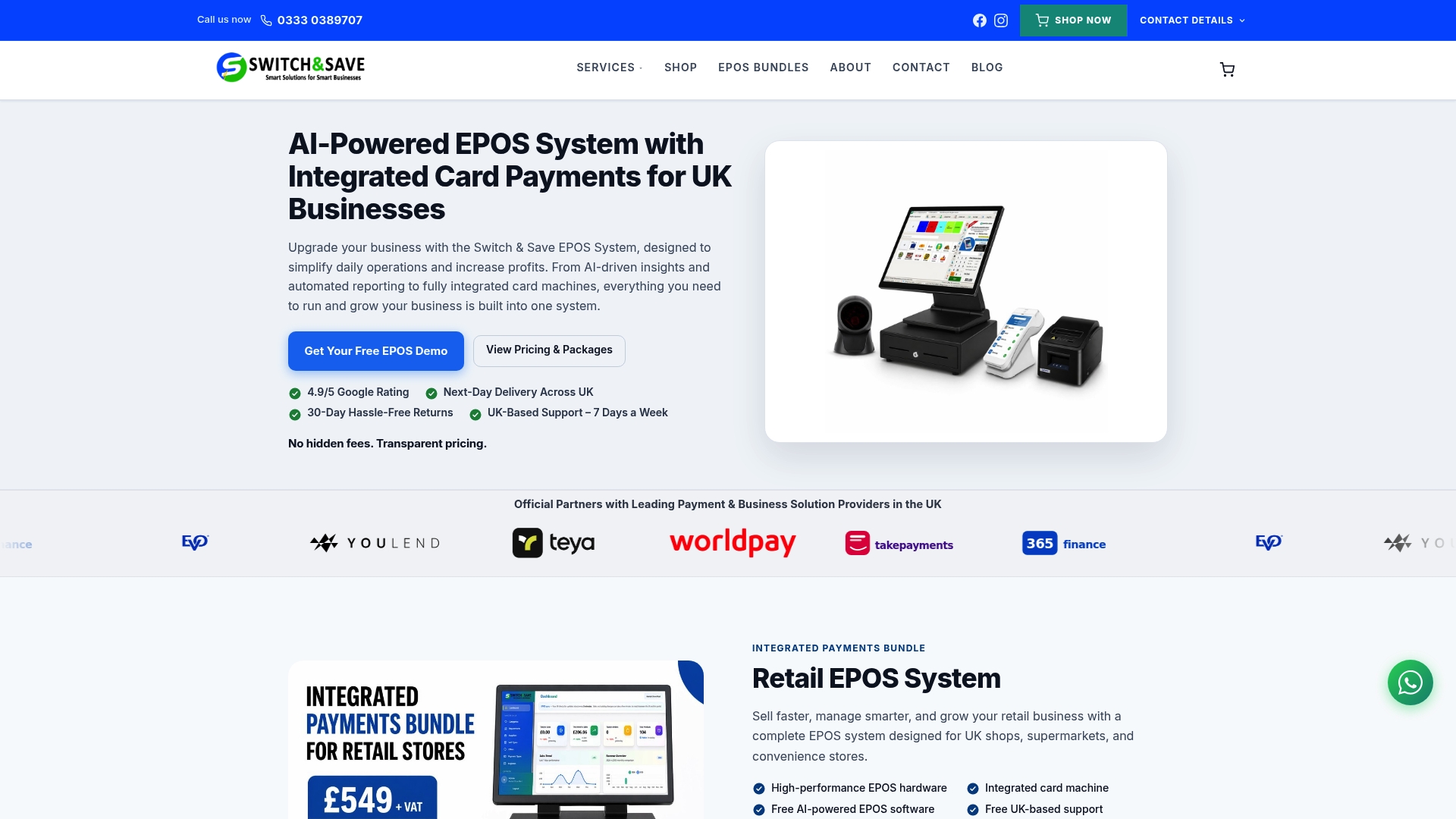
It suits retail and hospitality businesses that want fast checkout, real-time inventory and settled payments without juggling separate suppliers.
- EPOS hardware, software and card terminal integration in a single package.
- Cloud dashboard with real-time sales and stock visibility.
- Support for setup, migration, and day-to-day queries.
Ready to see it running with your own product list and till layout? Book a demo or request a quote and bring your current transaction volumes along.
FAQ
What does PSP mean in finance?
PSP stands for payment service provider, a business authorised to provide payment services such as processing, gateway access or acquiring. Under the Payment Services Regulations 2017, every acquirer is legally a PSP, but many PSPs resell acquiring services rather than holding the acquiring licence themselves.
What is the difference between a PayFac and a PSP?
A payment facilitator (PayFac) is a sub-merchant model where one master account, held with an acquirer, onboards multiple smaller businesses under its own contract. A standard PSP typically gives each merchant its own direct contractual relationship with the underlying acquirer rather than sitting them under a shared master account.
Is Stripe a PSP?
Stripe operates as a payment service provider, offering gateway and processing services, and works with underlying acquiring banks to settle funds. Whether a specific integration counts as acquiring in the regulatory sense depends on the exact contractual structure in place for that merchant.
What is the difference between a PSP and a payment gateway?
A payment gateway is a technical tool that captures and encrypts transaction data at checkout. A PSP is the broader commercial relationship, which may include a gateway, a processor and sometimes acquiring, all under one contract.
Sources
- The Payment Services Regulations 2017
- Market review of card scheme and processing fees: final report (PSR, Mar 2025)
- Guide to the Bank of England’s ‘UK spending on credit and debit cards’ experimental data series
- FCA Handbook glossary: acquirer