
Hospitality business solutions are integrated approaches that combine technology, operational discipline, and financial planning to improve daily management, guest satisfaction, and profitability across hotels, restaurants, pubs, and event venues. The industry term most operators use is “hospitality operations management,” and understanding how it works in practice is what separates venues that thrive from those that merely survive. With cost pressures mounting in 2026, the right mix of EPOS technology, government relief schemes, and supply chain controls gives you a real edge. This guide covers each area directly, so you can act on what matters most.
What are hospitality business solutions and why do they matter?
Hospitality business solutions cover every system, process, and strategy that keeps your venue running profitably. That includes your point-of-sale technology, your compliance records, your supplier relationships, and your staff scheduling. None of these work well in isolation. The venues that protect their margins in 2026 treat these as one connected system rather than separate problems.
The financial pressure is real. Rising energy costs, higher wage bills, and shifting customer habits all squeeze margins at once. Data-led operational execution consistently outperforms broad cost-cutting as a margin protection strategy. That means standardising your finance and procurement processes before reaching for a blunt instrument like reducing headcount.

Guest experience sits at the centre of every good hospitality operation. Faster service, fewer order errors, and consistent quality across all channels directly affect repeat visits and online reviews. The tools you choose should make those outcomes easier to deliver, not harder.
How does technology transform hospitality operations?
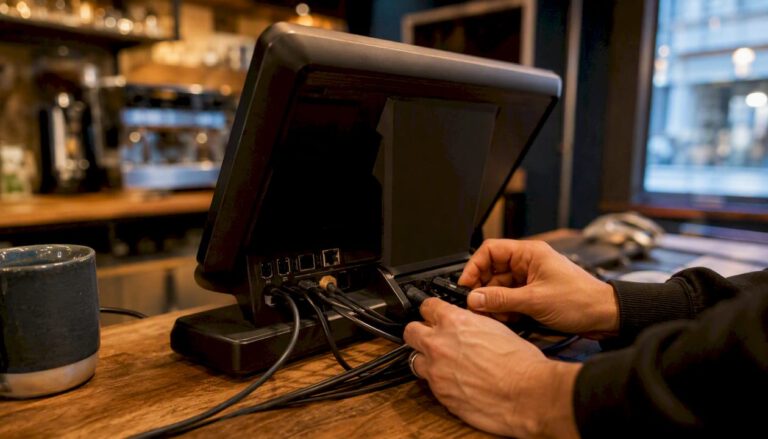
Technology is the backbone of modern hospitality management software. An EPOS system does far more than process payments. It tracks stock in real time, flags low inventory, records sales by item and time of day, and feeds that data into your reporting dashboard. That information tells you which dishes sell at 6PM on a Friday and which ones sit untouched, so you can make menu decisions based on facts rather than guesswork.
AI-powered forecasting takes that a step further. It analyses your historical sales data and predicts demand for the week ahead. You can then schedule staff and order stock to match actual expected demand rather than rough estimates. Technology reallocates staff time from manual admin tasks to guest-facing work, which improves both service quality and labour efficiency at the same time.
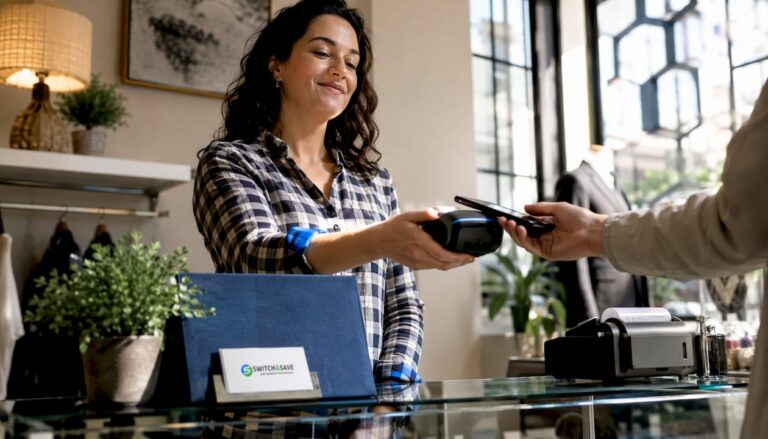
For restaurants and pubs, integrated ordering is a particular win. When your table ordering system, kitchen display, and payment terminal all talk to each other, errors drop sharply. A missed modifier or a duplicated order costs you money and goodwill. Removing that friction through EPOS integration is one of the most direct ways to improve the guest experience.
Key technology benefits for hospitality operators:
- Real-time stock control reduces over-ordering and waste
- Automated sales reports replace manual end-of-day reconciliation
- Integrated payment processing speeds up table turns
- Cloud dashboards let you monitor multiple sites remotely
- AI demand forecasting improves staff scheduling accuracy
Pro Tip: Set your EPOS system to send a low-stock alert before service rather than during it. A five-minute check before the lunch rush prevents the awkward conversation with a guest whose first choice is unavailable.
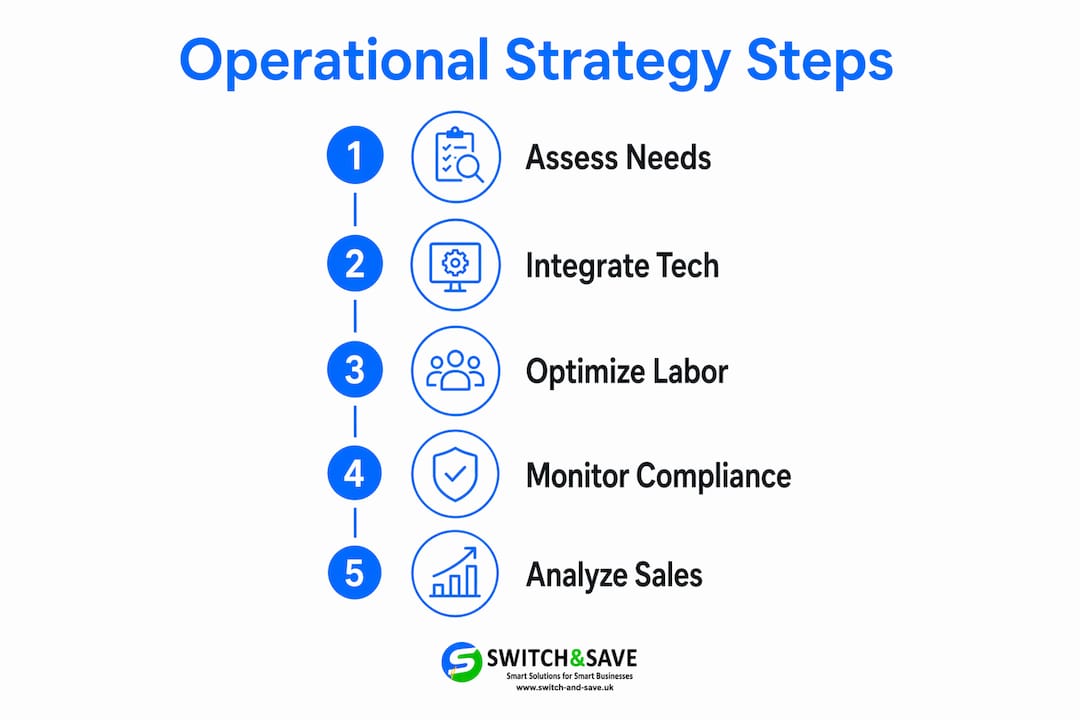
How can you maximise profitability through operational strategies?
Margin protection in 2026 comes from operational discipline, not from hoping costs fall. The operators who hold their ground are the ones who standardise their back-office processes and use data to make decisions at site level. Standardising finance and procurement gives you control over what each site spends and why, which makes it far easier to spot waste before it compounds.
Government support schemes are also worth building into your financial planning right now. Here are the key ones available in 2026:
- Business rates relief for pubs and live music venues. Eligible venues receive 15% relief in 2026–27, with bills frozen in real terms through 2029. This is delivered via section 47 discretionary relief, funded through section 31 grants. Check with your local authority to confirm eligibility.
- Energy-saving digital tools. A government-funded programme helped 90 hospitality businesses cut energy bills by nearly £2,500 on average over 12 months. The £350,000 project extended this tool to hundreds of pubs, restaurants, and hotels across England as of march 2026. Applying for access costs nothing and the savings are immediate.
- Youth Jobs Grant. Launched in june 2026, this scheme offers up to £3,000 per eligible hire aged 18–24 who have been on Universal Credit for six or more months. Payments are staged and applications go through the government’s Find a Grant service. For venues with high staff turnover, this is a direct offset against recruitment costs.
- Procurement standardisation. Centralise your supplier agreements and review them quarterly. Bulk purchasing across sites, even for small groups of two or three venues, reduces unit costs and gives you better leverage with suppliers.
Labour efficiency is the other lever. Scheduling software that integrates with your EPOS data lets you match rotas to actual footfall patterns. You stop paying for cover you do not need and avoid being short-staffed during your busiest periods.
Why does compliance matter as a hospitality business solution?
Compliance is not a box-ticking exercise. It is an operational risk that, if ignored, can shut your venue down. Environmental Health Officers increasingly expect digital audit trails rather than paper records during inspections. Digitising your HACCP plans and Safer Food Better Business packs reduces human error and makes inspections far less disruptive.
Supply chain resilience is equally pressing. Criminal networks increasingly exploit supply chain weaknesses in the hospitality sector, which raises the stakes for every operator. Strict supplier approvals, full product traceability, and regular staff training are the three pillars of a defensible supply chain in 2026.
Your stock control practices feed directly into compliance. When your EPOS system records every delivery, every wastage event, and every stock transfer, you have a ready-made audit trail that satisfies both internal management and external inspectors.
Key compliance actions for hospitality operators:
- Digitise HACCP records and store them in a cloud-accessible system
- Maintain an approved supplier list and review it at least twice a year
- Train all staff to recognise and report supply chain irregularities
- Run regular internal audits before scheduled EHO inspections
- Use your EPOS data to cross-reference deliveries against sales and flag discrepancies
Pro Tip: Assign one team member per site as your compliance lead. Give them time each week to update digital records. A 30-minute weekly review prevents a three-day scramble before an inspection.
| Compliance area | Recommended tool or action |
|---|---|
| Food safety records | Digital HACCP and SFBB packs, cloud-stored |
| Supplier verification | Approved supplier register with review dates |
| Staff training | Documented training logs updated per induction |
| Stock traceability | EPOS-linked delivery and wastage records |
| EHO readiness | Monthly internal audit against inspection criteria |
How do you grow revenue through off-premise and multi-channel sales?
Off-premise dining is no longer a secondary revenue stream. For many venues, delivery and takeaway now account for a significant share of weekly turnover. Integrated EPOS reduces manual errors and ensures menu clarity across delivery channels, which directly protects your margins and your reputation.
The most common mistake operators make is treating their delivery menu as a copy-paste of their dine-in menu. Dishes that travel poorly damage your brand just as much as a bad in-house experience. Design a separate delivery menu with items that hold their quality for 20–30 minutes. Packaging matters too. Investing in containers that maintain temperature and presentation is a direct investment in customer satisfaction.
Drinkware and presentation choices also shape the off-premise experience. Professional drinkware selection affects how guests perceive your brand, whether they are dining in or receiving a premium delivery. Small details compound over time into a reputation.
Practical steps for building off-premise revenue:
- Integrate your delivery platform directly with your EPOS to eliminate double-entry errors
- Design a travel-friendly menu with items that hold quality during transit
- Use packaging that reflects your brand and maintains food temperature
- Monitor delivery channel performance through your EPOS reporting dashboard
- Review your multi-channel menu monthly and remove consistently low-rated items
The data your EPOS captures across all channels gives you a clear picture of where your revenue actually comes from. Use it to decide where to invest your marketing budget and which channels deserve more menu development attention.
Key takeaways
The most effective hospitality business solutions combine EPOS technology, standardised operations, government relief schemes, and rigorous compliance into one connected approach rather than treating each as a separate problem.
| Point | Details |
|---|---|
| Technology drives efficiency | EPOS and AI tools reduce errors, improve stock control, and free staff for guest-facing work. |
| Government schemes reduce costs | Business rates relief, energy grants, and the Youth Jobs Grant offer direct financial support in 2026. |
| Compliance protects your licence | Digitised HACCP records and supplier traceability reduce inspection risk and operational disruption. |
| Off-premise needs its own strategy | A travel-friendly menu and integrated EPOS protect margins and quality across delivery channels. |
| Data-led decisions outperform cuts | Standardising finance and procurement delivers better margin protection than broad cost reduction. |
Why I think most hospitality operators underestimate the basics
After years of watching hospitality businesses invest in the latest technology and then struggle to use it well, I have come to a firm conclusion. The operators who perform best are not the ones with the most sophisticated systems. They are the ones who use straightforward tools consistently and build good habits around them.
The temptation is always to look for the next big thing. A new delivery platform, a new loyalty app, a new booking system. But if your stock records are inaccurate, your staff scheduling is based on gut feel, and your supplier list has not been reviewed in two years, no amount of new technology will fix the underlying problem.
Sustainability and evolving guest expectations are real forces shaping the sector. Guests notice when a venue operates with care, whether that shows up in packaging choices, drinkware trends, or the consistency of their experience across visits. Those details are not separate from your business strategy. They are the visible result of good operational discipline.
My honest advice is this: get your data working for you before you add anything new. Know your best-selling items, your peak hours, your highest-cost suppliers, and your compliance gaps. Once you can see those clearly, every other decision becomes easier and cheaper to make.
— Amir
How Switch-and-save supports your hospitality operations
Running a hospitality venue in 2026 means managing more moving parts than ever before. Switch-and-save builds EPOS systems specifically for UK hospitality businesses, combining hardware, AI-powered software, and integrated payment processing into one reliable package.
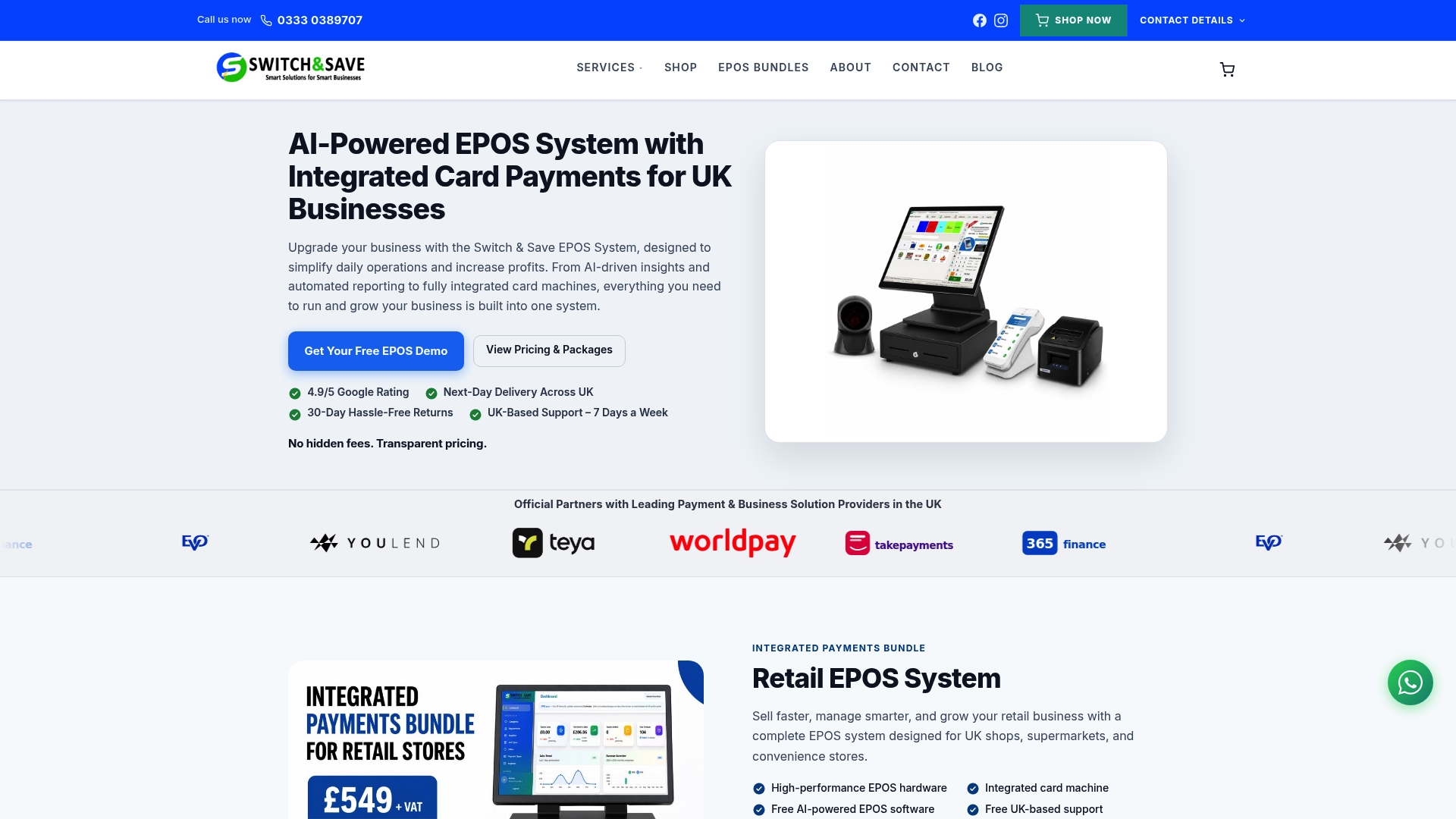
Whether you run a single pub or a group of restaurants, Switch-and-save’s hospitality EPOS systems give you real-time stock visibility, automated reporting, and cloud-based access from anywhere. The hospitality EPOS bundle is built for operators who want everything in one place without the complexity of piecing together separate systems. UK-based support and transparent pricing mean you know exactly what you are getting. Book a free demo and see how it fits your operation.
FAQ
What are hospitality business solutions?
Hospitality business solutions are integrated tools and strategies that manage daily operations, guest experience, and financial performance across hotels, restaurants, pubs, and event venues. They typically include EPOS systems, compliance management, staff scheduling, and supply chain controls.
How does an EPOS system improve hospitality operations?
An EPOS system tracks sales, manages stock in real time, and integrates with delivery platforms to reduce order errors. It also generates reports that help operators make informed decisions about menus, staffing, and purchasing.
What government support is available for hospitality businesses in 2026?
Eligible pubs and live music venues receive 15% business rates relief in 2026–27, and the Youth Jobs Grant offers up to £3,000 per qualifying hire aged 18–24. A government-funded energy tool has also helped venues cut bills by nearly £2,500 on average over 12 months.
Why is supply chain compliance critical for hospitality operators?
Criminal networks increasingly target hospitality supply chains, making supplier verification and product traceability non-negotiable. Strict supplier approvals and staff training are the most effective defences against compliance failures.
How can hospitality businesses grow off-premise revenue?
Integrating your EPOS with delivery platforms eliminates manual errors and keeps menus consistent across channels. Designing a separate travel-friendly menu and investing in quality packaging protects both your margins and your brand reputation.