
Restaurant staff management is the process of recruiting, training, scheduling, and retaining employees to maximise service quality and operational efficiency. Get it right, and your team becomes your strongest asset. Get it wrong, and you face a cycle of costly turnover that drains time, money, and morale. 42% of new UK hospitality hires leave within their first 30 days, which means the decisions you make in week one carry enormous weight. This guide gives you a practical, regulation-aware framework for managing your restaurant team in 2026.
How to recruit and onboard restaurant staff effectively
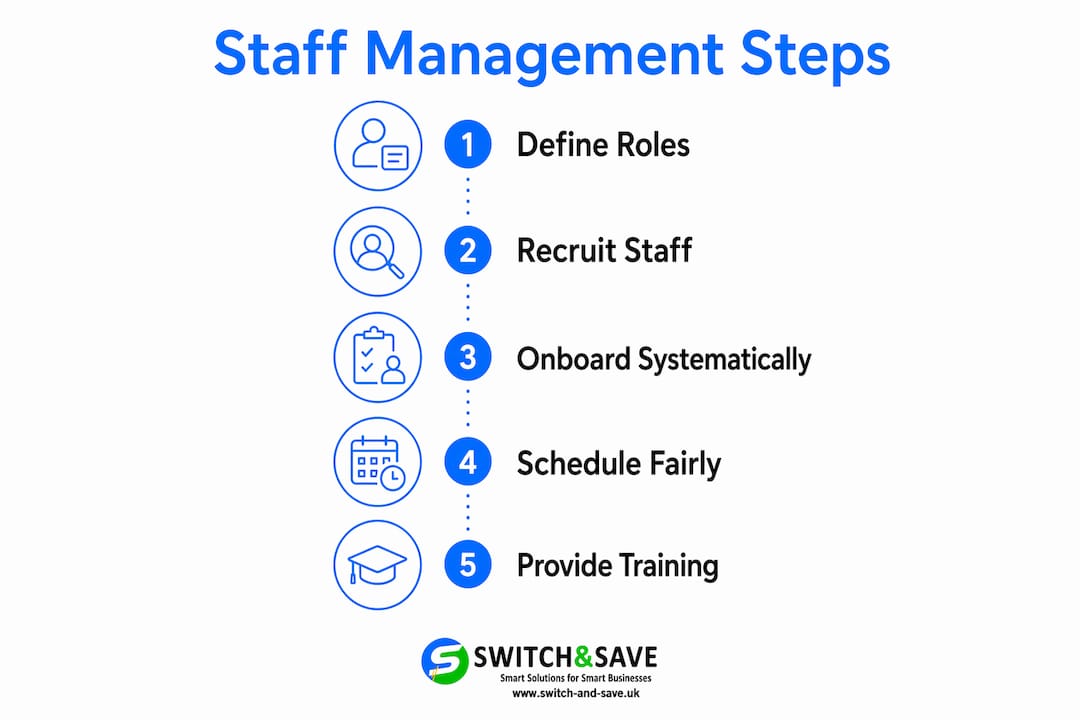
Structured recruitment starts with role clarity. Before you post a vacancy, write a precise job description that covers shift patterns, physical demands, and the specific skills you need. Vague listings attract unsuitable candidates and waste your time during interviews.

Once you have hired someone, the real work begins. Traditional one-day inductions rarely stick. Micro-onboarding replaces the single induction day with short, focused check-ins at the end of the first shift, on day three, and on day seven. Each check-in takes no more than ten minutes and covers how the new team member is settling in, what is unclear, and what support they need next. This approach builds belonging early, which is exactly when most people decide whether to stay.
Assign a named manager to own each new hire’s first month. That manager is accountable for the training plan, the check-ins, and the early feedback loop. Without named ownership, new starters fall through the cracks.
- Write a clear job description covering shifts, pay, and physical requirements before advertising.
- Conduct a structured interview with consistent questions so you can compare candidates fairly.
- Assign a buddy on day one so the new team member has a go-to person for questions.
- Run micro-onboarding check-ins at the end of shift one, day three, and day seven.
- Complete Level 2 food hygiene training within three months of the start date, as required by UK law.
Pro Tip: Print a one-page “first week” plan for every new starter. It removes uncertainty, shows professionalism, and gives the new team member something to refer back to without asking.
Structured onboarding increases the likelihood of a team member staying three or more years by 69%. That single statistic makes the investment of time in week one one of the highest-return activities in your business.
How to create fair, predictable staff schedules and rotas
Rota uncertainty is one of the most common reasons restaurant staff leave. Publishing rotas at least four weeks in advance gives your team the ability to plan childcare, appointments, and personal commitments. That predictability signals respect, and respect keeps people.
Fairness in shift distribution matters just as much as timing. Consistently giving the best shifts to the same people breeds resentment. Rotate weekend and late shifts equitably, and document your reasoning when exceptions apply.
UK law requires that workers aged 18 and over receive a 20-minute rest break for every shift exceeding six hours. Younger workers have stricter entitlements. Build these breaks into your rota template rather than leaving them to chance during service.
- Publish rotas a minimum of four weeks ahead, and aim for six during peak periods such as december and the summer holidays.
- Use employee scheduling software to flag conflicts, track availability, and avoid accidental double-booking.
- Rotate unsociable shifts fairly and keep a written record of the rotation pattern.
- Allow team members to flag unavailability at least two weeks in advance through a clear, consistent process.
- Audit your rota monthly to check whether the same people are always covering the hardest shifts.
Fixing rota and communication problems can improve retention by 30–40% even without a pay increase. That is a significant result from an operational change that costs nothing beyond time and discipline.
Pro Tip: Invest in restaurant management software that lets staff view and acknowledge their rotas on a mobile device. Fewer missed shifts, fewer last-minute calls, and far less admin for you.
What ongoing training restaurant staff need and how to deliver it
Food safety training in the UK is not optional. UK food safety law mandates Level 2 food hygiene training for all staff who handle open, high-risk food, and this training must be completed within three months of starting. Refresher training is recommended every three to four years, or whenever processes change significantly.
Allergen training deserves its own focus. Natasha’s Law, which came into force in october 2021, requires full ingredient labelling on prepacked-for-direct-sale food. Every team member who handles or describes food to customers must understand the 14 major allergens and know how to respond to allergen queries accurately.
HACCP (Hazard Analysis and Critical Control Points) is a living system, not a folder on a shelf. HACCP training and allergen management must be understood practically by all relevant staff, with supervisors and managers taking responsibility for compliance during inspections. Documenting training records is part of that responsibility.
Blended training works well in hospitality. Combine short in-person sessions with mobile-first e-learning modules that staff can complete between shifts. This approach respects busy schedules while keeping knowledge current.
| Training type | Who needs it | Frequency |
|---|---|---|
| Level 2 food hygiene | All open food handlers | Within 3 months of start; refresher every 3–4 years |
| Allergen awareness | All customer-facing staff | On induction; update on menu change |
| HACCP awareness | Supervisors and managers | On appointment; update on process change |
| Fire safety | All staff | Annually |
| Manual handling | Kitchen and delivery staff | On induction; annually thereafter |
- Keep a central training record for every team member, updated after each session.
- Set calendar reminders for upcoming refresher deadlines so nothing lapses.
- Use mobile-first e-learning for allergen and food safety modules to reduce time away from the floor.
- Brief the whole team when menu or process changes affect allergen or hygiene procedures.
How to use restaurant management software to optimise staff operations
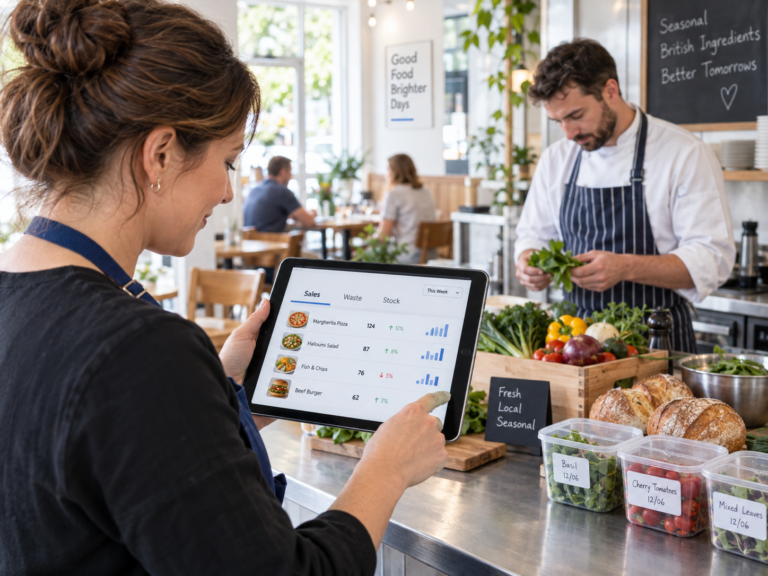
UK managers spend excessive time on admin, which reduces the hours available for coaching, feedback, and team development. The direct consequence is higher turnover and weaker compliance. Restaurant management software addresses this by centralising scheduling, training records, and communication in one place.
The right software does several things at once. It generates rotas based on availability and forecasted covers, tracks who holds current food hygiene certificates, and sends automated reminders when renewals are due. Managers get a clear dashboard rather than a pile of spreadsheets.
- Rota management: build and publish schedules in minutes, with automatic conflict detection.
- Training record tracking: log certifications, set expiry alerts, and produce compliance reports for inspections.
- Communication tools: send shift reminders and policy updates directly to staff devices.
- Performance data: track punctuality, absence patterns, and training completion to identify who needs support.
- Integration with EPOS: link staff activity to sales data to understand peak performance periods.
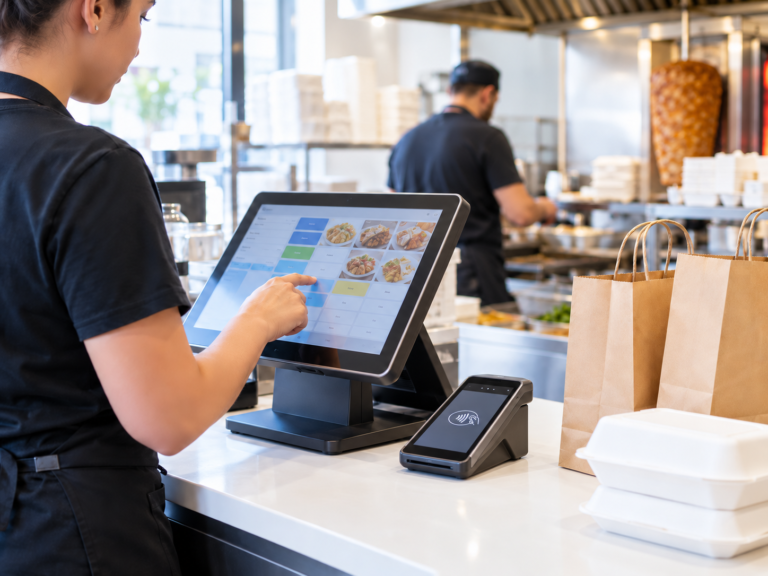
A well-configured EPOS system also reduces errors at the point of service, which lowers the stress on floor staff during busy periods. Less stress means fewer mistakes, and fewer mistakes mean happier customers and more confident staff. For cafés and smaller venues, understanding how point-of-sale displays affect workflow can also reduce friction for your team during service.
Strategies to retain restaurant staff and minimise turnover costs
Pay matters, but it is rarely the primary reason people leave. Internal career progression is the strongest safeguard against turnover, reducing recruitment and training costs substantially. Showing a team member a clear path from kitchen porter to sous chef, or from waiting staff to floor manager, gives them a reason to stay beyond their next pay review.
Daily interactions carry more weight than annual appraisals. Respectful treatment by managers influences employee longevity more than compensation alone. A brief, genuine acknowledgement of good work during a shift costs nothing and builds loyalty over time.
- Create visible career paths by mapping out progression steps for each role in your venue.
- Recognise achievements publicly during team briefings, not just in private performance reviews.
- Pay mandatory rest breaks on time, every shift. Paid rest breaks reduce fatigue and signal that you value your team’s wellbeing.
- Run monthly one-to-ones with every team member to catch problems before they become resignations.
- Act on grievances quickly. 40% of British working-age adults report workplace conflict, and unresolved disputes accelerate departures.
Pro Tip: Introduce a buddy system for the first 90 days of employment. Pair new starters with experienced team members who are known for positive attitudes. The relationship reduces isolation and gives you an early warning if someone is struggling.
Key takeaways
Effective restaurant workforce management requires structured onboarding, fair scheduling, mandatory food safety training, and consistent recognition to reduce turnover and build a stable team.
| Point | Details |
|---|---|
| Onboard with structure | Micro-onboarding check-ins in the first week increase three-year retention by 69%. |
| Publish rotas early | Releasing schedules four or more weeks ahead reduces turnover by removing shift uncertainty. |
| Train to legal standards | Level 2 food hygiene training is mandatory within three months for all open food handlers. |
| Use software to free up time | Scheduling and training software reduces admin, giving managers more time for coaching. |
| Retain through progression | Clear career paths and respectful daily management retain staff more effectively than pay rises alone. |
What I have learned from years of watching restaurants get this wrong
Most restaurant owners I speak with focus on recruitment when turnover spikes. They post more job adverts, offer a slightly higher hourly rate, and hope for a different result. The problem is almost never the recruitment. It is everything that happens in the first four weeks after someone starts.
The venues that retain staff consistently are not always the ones with the best pay. They are the ones where the manager knows every team member’s name, where the rota goes up on time without fail, and where a new starter never has to guess what they are supposed to be doing on day two. Those things sound simple. They are not always easy to maintain under the pressure of a busy service, but they are absolutely within reach for any operator who decides to prioritise them.
Technology genuinely helps here. When a system handles the rota, tracks training certificates, and flags upcoming renewals automatically, managers get their time back. That time goes into the team. And the team notices. I have seen venues cut their monthly turnover rate significantly just by switching from paper rotas and spreadsheets to a proper management system. The operational improvement does the retention work that a pay rise never quite manages.
My honest advice: invest the most effort in the first 30 days of every new hire’s experience. Get that right, and you will spend far less time and money on recruitment for the rest of the year.
— Amir
How Switch-and-save EPOS systems support your restaurant team
Managing a restaurant team is much easier when your technology does the heavy lifting on admin. Switch-and-save EPOS systems are built for UK hospitality venues and include features that directly support staff management, from faster order processing to integrated reporting that shows you exactly how your team is performing.
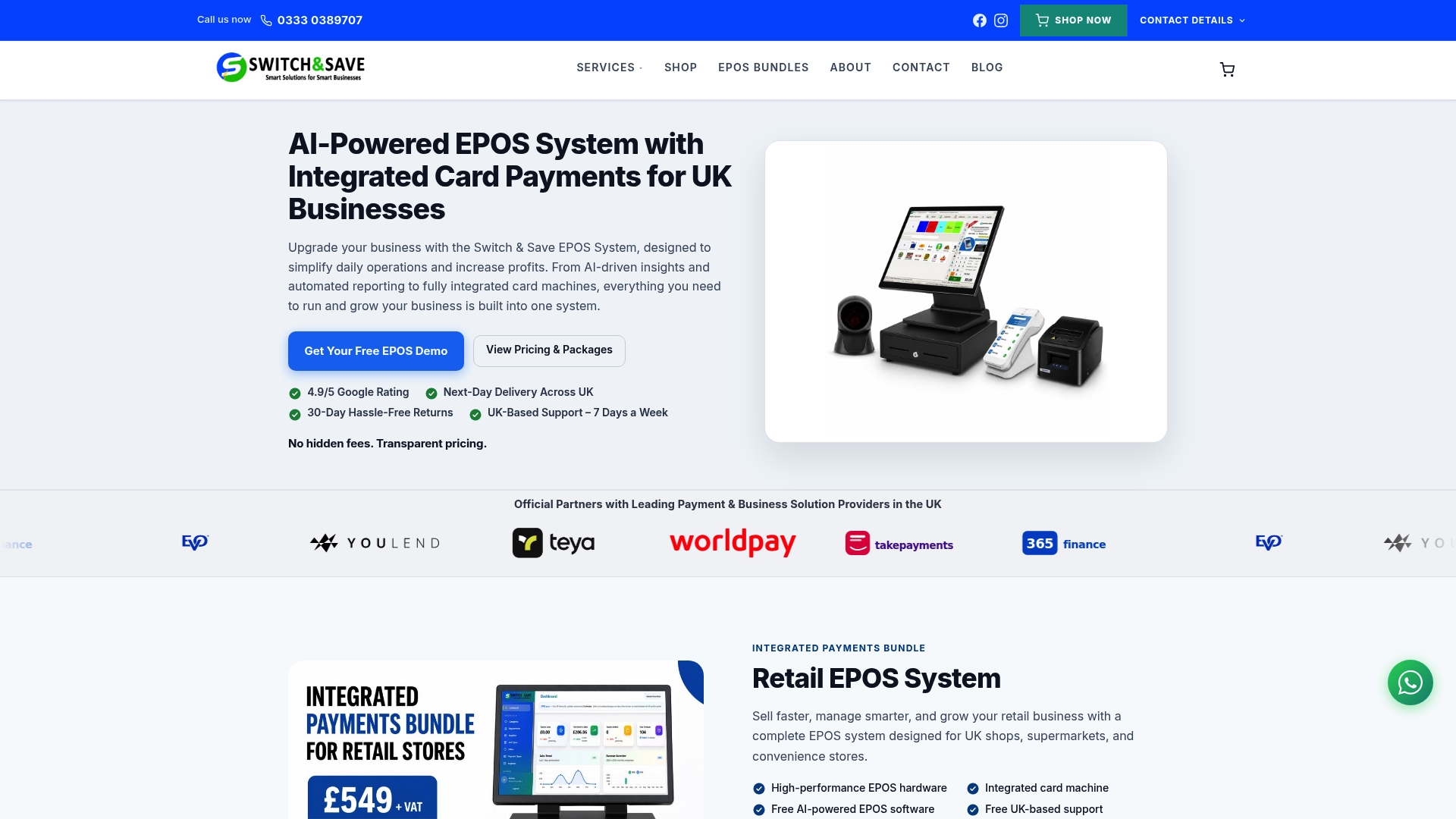
With Switch-and-save, you get real-time sales data, cloud-based access from anywhere, and a system that reduces the errors that frustrate both staff and customers. Fewer errors mean calmer shifts, and calmer shifts mean better retention. Explore the full range of EPOS systems for hospitality and see which package fits your venue. You can also read the practical guide to EPOS staff training to understand how quickly your team can get up to speed. Get in touch for a free demo from our UK-based team.
FAQ
What is restaurant staff management?
Restaurant staff management covers the full cycle of recruiting, onboarding, scheduling, training, and retaining employees. The goal is to maintain a stable, compliant, and motivated team that delivers consistent service.
How do I reduce staff turnover in my restaurant?
Publish rotas at least four weeks in advance, run micro-onboarding check-ins in the first week, and create clear career progression paths. Research shows these operational changes can improve retention by 30–40% without a pay increase.
What food safety training is legally required for restaurant staff in the UK?
All staff handling open, high-risk food must complete Level 2 food hygiene training within three months of starting. Refresher training is recommended every three to four years or when processes change.
How far in advance should I publish staff rotas?
Publish rotas a minimum of four weeks ahead. This gives team members enough time to plan personal commitments and significantly reduces last-minute absences and resignations caused by shift uncertainty.
Can restaurant management software help with staff retention?
Yes. Software that handles scheduling, training records, and communication reduces managerial admin, freeing up time for coaching and team support. That direct investment in people is one of the most effective retention tools available.