
The best card machine for a small business in the UK is not always the one with the lowest monthly rental. The right choice depends on your transaction rates, contract terms, business type, payment volume, EPOS integration, and any hidden fees such as PCI compliance, authorisation charges or exit costs. For many small businesses, reducing card transaction fees can save more money than choosing the cheapest-looking machine.
Switch & Save helps UK businesses compare card payment solutions, reduce costs, and connect payments with EPOS systems for smoother checkout and better reporting. Whether you run a retail shop, takeaway, restaurant, café, bar, grocery store or mobile business, the goal is simple: choose a card machine that is reliable, affordable, and suitable for the way your business takes payments.
Key Takeaways
| Key Point | What It Means for Your Business |
| Low rental does not always mean low cost | Transaction fees can have a bigger impact than monthly rental |
| Different businesses need different machines | Restaurants, shops, takeaways and mobile traders all have different payment needs |
| Integrated payments reduce errors | Linking your card machine with EPOS can improve speed and reporting |
| Hidden fees matter | Always check PCI fees, authorisation charges, settlement times and exit costs |
| Switching can reduce costs | A rate audit can show whether your current provider is costing too much |
| Support is important | Reliable support helps avoid downtime during busy trading hours |
What Is a Card Machine for Small Businesses?
A card machine allows a business to accept debit card, credit card and contactless payments from customers. For UK small businesses, card payments are now a normal part of everyday trading. Customers expect to pay quickly, whether they are buying groceries, collecting a takeaway, paying at a restaurant table, or purchasing from a mobile service provider.
A card machine for small business use can be simple and standalone, or it can be connected to an EPOS system. Some businesses only need a basic portable card terminal. Others need a full payment setup that connects sales, receipts, stock, reports, customer orders and end-of-day reconciliation.
That is why the best option depends on your business model. A busy restaurant may need portable table payments, while a retail shop may need a fixed countertop terminal. A takeaway may need fast payment processing during peak hours, while a mobile trader may need a machine that works through Wi-Fi or mobile data.
For small businesses, the main goal is not just accepting card payments. The goal is accepting payments reliably while keeping transaction costs under control.
Why Choosing the Right Card Machine Matters
Many business owners choose a card machine based only on the monthly rental price. That can be a costly mistake. A card machine with a low rental fee may still be expensive if the transaction rate is high or if extra charges are added each month.
For example, if your business takes a high number of card payments, even a small difference in transaction percentage can affect your monthly profit. A card machine that looks cheap at first can become expensive once processing fees, authorisation charges, PCI compliance fees, minimum monthly charges or long contracts are included.
The right card payment machine should help your business:
- Take payments quickly
- Reduce customer waiting time
- Avoid manual payment errors
- Keep transaction fees competitive
- Support your business type
- Connect with your EPOS system if needed
- Provide clear reporting
- Offer reliable support when something goes wrong
This is especially important for businesses where payment speed matters, such as takeaways, cafés, restaurants, bars, convenience stores, grocery shops, salons and retail stores.
Types of Card Machines for UK Small Businesses
Different businesses need different payment setups. Before comparing providers, it helps to understand the main types of card machines available.
Countertop Card Machines
Countertop card machines are fixed terminals usually placed near the till or checkout counter. They are suitable for businesses where customers pay at one main payment point.
They are commonly used by:
- Retail shops
- Grocery stores
- Convenience stores
- Mobile phone shops
- Salons
- Butchers
- Off-licences
- Local high street businesses
A countertop machine is a good option if your customers come to the counter to pay and you want a stable, reliable payment terminal.
Portable Card Machines
Portable card machines can be carried around within the business premises. They usually connect through Wi-Fi or Bluetooth and are useful when staff need to take payments away from the main till.
They are popular for:
- Restaurants
- Cafés
- Bars
- Pubs
- Dessert shops
- Table service businesses
For hospitality businesses, portable machines are useful because customers can pay at the table. This can improve service speed and reduce queues at the till.
Mobile Card Machines
Mobile card machines are designed for businesses that take payments in different locations. They often use mobile data or an app-based connection.
They are suitable for:
- Market traders
- Delivery businesses
- Tradespeople
- Mobile food vendors
- Pop-up shops
- Event sellers
- Home service providers
If your business does not operate from one fixed location, a mobile card machine can give you flexibility.
Integrated Card Machines
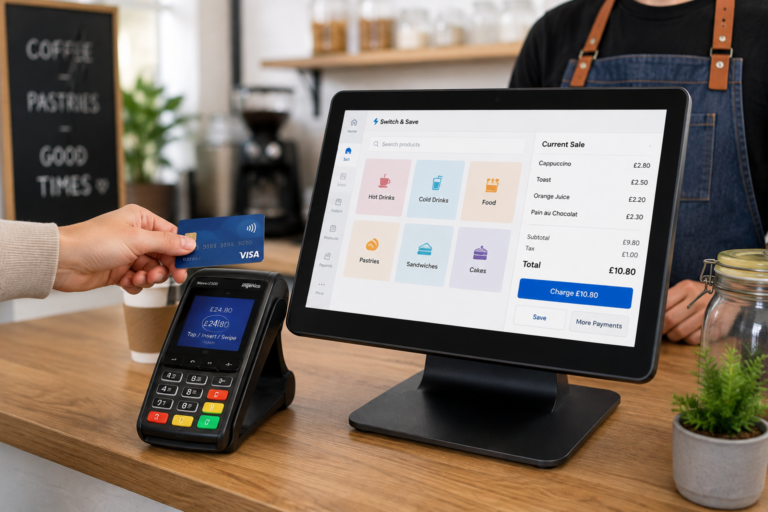
Integrated card machines connect directly with your EPOS system. This means the transaction amount is sent from the till to the card machine automatically.
This can help reduce mistakes because staff do not need to manually type the payment amount into the terminal. It can also make reporting, reconciliation and end-of-day totals easier.
Integrated payments are useful for businesses with regular card transactions, multiple staff members, busy checkouts, or a need for accurate sales reporting.
You can learn more about Switch & Save card payment options here
Card Machine Costs
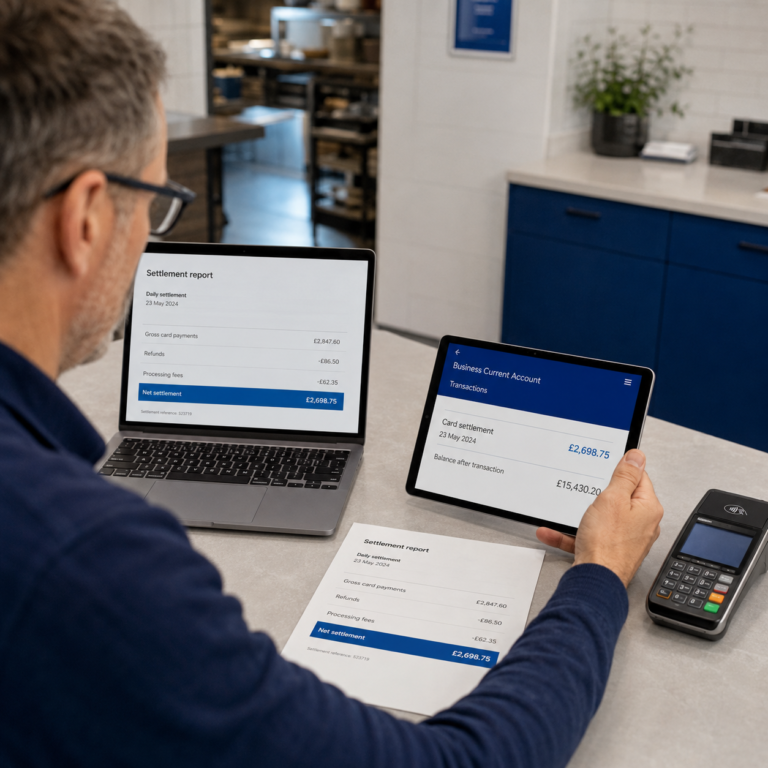
When comparing card machines, do not only look at the monthly rental. The full cost can include several different charges.
Monthly Rental
Some providers charge a monthly fee for the card terminal. This can vary depending on the type of machine, contract terms and provider.
Transaction Rate
This is the percentage charged on each card payment. For example, every time a customer pays by card, a percentage of that transaction goes to the payment provider. This is one of the most important costs to compare.
Authorisation Fees
Some providers charge a small fee each time a transaction is authorised. It may look small, but it can add up if you process many payments.
PCI Compliance Fees
PCI compliance relates to card payment security standards. Some providers charge a monthly or annual fee for this.
Minimum Monthly Service Charge
Some contracts include a minimum monthly charge. If your transaction fees do not reach that amount, you may still have to pay the minimum.
Setup Fees
Some providers may charge for setup, installation or delivery of the card machine.
Exit Fees
If you are tied into a contract and want to leave early, exit fees may apply. This is why it is important to check contract length before signing.
Why Transaction Rates Matter More Than Monthly Rental
A cheap card machine is not always the best card machine. For many businesses, transaction rates are more important than the monthly rental.
For example, a card machine with a slightly higher monthly rental but lower transaction rate may be cheaper overall if your business takes regular card payments. On the other hand, a low-rental machine with higher transaction charges may cost more over time.
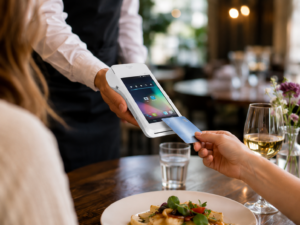
This is especially true for:
- Busy takeaways
- Restaurants with high daily sales
- Grocery shops
- Retail stores
- Cafés and coffee shops
- Bars and pubs
- Businesses with lots of small card payments
The more card payments you take, the more important your transaction rate becomes. Even a small percentage difference can affect your profit over a month or year.
That is why Switch & Save focuses on helping businesses check their current card payment costs. A simple rate review can show whether your current card machine provider is still suitable or whether switching could reduce costs.
Best Card Machine Features for Different Business Types
Best Card Machine for Retail Shops
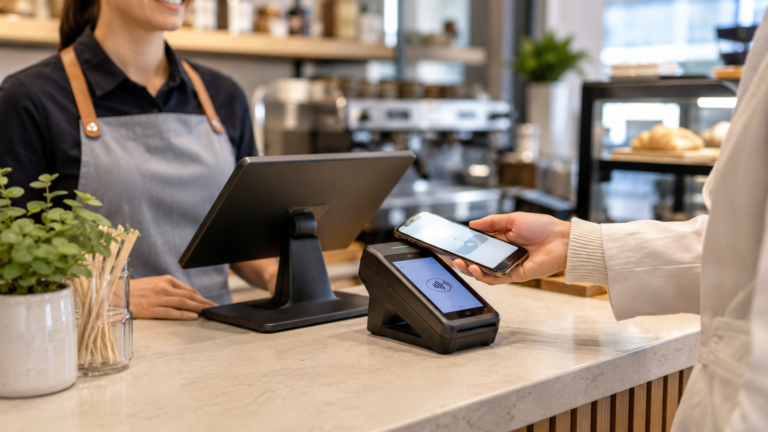
Retail shops need speed, reliability and simple checkout. A good card machine for a retail shop should work smoothly with the till, process contactless payments quickly, and provide clear receipts.
Useful features include:
- Fast contactless payments
- Countertop or integrated terminal
- Receipt printing
- EPOS connection
- Reliable settlement
- Clear transaction reports
For a busy retail shop, integrated payments can be especially useful because they reduce manual entry mistakes at the till.
Best Card Machine for Restaurants and Cafés
Restaurants and cafés need flexibility. Staff may need to take payment at the table, split bills, handle tips, and process transactions quickly during busy periods.
Useful features include:
- Portable card machine
- Table payment support
- Fast contactless processing
- Tip support
- EPOS integration
- End-of-day reporting
For hospitality businesses, a card machine connected with an EPOS system can make service smoother and reduce confusion between orders and payments.
Best Card Machine for Takeaways
Takeaways need speed. During peak hours, payment delays can slow down service and frustrate customers.
Useful features include:
- Fast payment processing
- Integrated EPOS connection
- Countertop or portable terminal
- Reliable connectivity
- Clear sales reporting
- Support for collection and delivery orders
A takeaway using an EPOS system and integrated card machine can manage orders, payments and reporting more efficiently.
Best Card Machine for Grocery Stores
Grocery stores and convenience shops often process many small transactions. For these businesses, transaction rates are especially important because small differences can add up quickly.
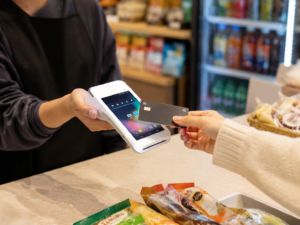
Useful features include:
- Fast checkout
- Reliable countertop terminal
- Low transaction rates
- Receipt printing
- EPOS integration
- Strong reporting
For local shops, card machine reliability is critical because customers expect quick payments with minimal waiting.
Best Card Machine for Mobile Businesses
Mobile businesses need flexibility and connectivity. The machine should work wherever the business operates.
Useful features include:
- Mobile data connection
- Compact design
- Long battery life
- Simple setup
- No fixed counter requirement
- Easy transaction tracking
This is useful for market traders, mobile food businesses, delivery services and tradespeople.
Should You Choose an Integrated Card Machine?
An integrated card machine connects your payment terminal directly to your EPOS system. This means the amount due is automatically sent from the till to the card machine.
This can help your business avoid common payment problems, such as:
- Staff typing the wrong amount
- Payment not matching the receipt
- Manual reconciliation issues
- Slower checkout during busy periods
- Confusion at end-of-day reporting
Integrated payments are especially useful for businesses with multiple staff members, regular card payments, or a busy checkout environment.
Benefits include:
- Faster checkout
- Fewer manual errors
- Better sales reporting
- Easier end-of-day totals
- Improved customer experience
- Cleaner payment records
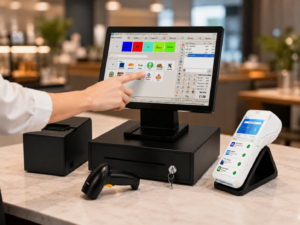
For retail and hospitality businesses, an integrated EPOS and card payment setup can save time and reduce mistakes.
Switch & Save provides AI-powered EPOS systems and card payment solutions designed to help small businesses improve efficiency while keeping costs under control.
How to Compare Card Machine Providers
Before choosing a card machine provider, ask these questions:
What is the transaction rate?
This is one of the most important questions. A lower rate can make a big difference if your business takes regular card payments.
Is there a monthly rental?
Check whether the rental is fixed and whether it changes after an introductory period.
Are there hidden charges?
Ask about PCI compliance, authorisation fees, minimum monthly charges, setup fees and exit fees.
How long is the contract?
Avoid signing a long contract without understanding the terms. Make sure you know what happens if you want to switch later.
How quickly are funds settled?
Settlement time matters for cash flow. Small businesses need to know when card payments will reach their account.
Does it integrate with EPOS?
If you already use EPOS or plan to upgrade, check whether the card machine can integrate with your till system.
Is support available when needed?
Payment problems can affect sales. Reliable support is important, especially during busy trading hours.
Is it suitable for your business type?
A restaurant may need a different machine from a retail shop. A mobile trader may need a different setup from a grocery store. Choose based on how your business actually operates.
Why Choose Switch & Save?
Switch & Save helps UK small businesses reduce costs with card payment solutions, AI-powered EPOS systems, business finance and utility switching services.
Instead of only offering a card machine, Switch & Save looks at the bigger picture: how your business takes payments, what you currently pay in transaction fees, whether your EPOS setup is efficient, and where savings may be possible.
Switch & Save can support businesses such as:
- Retail shops
- Restaurants
- Cafés
- Takeaways
- Bars and pubs
- Grocery stores
- Convenience shops
- Mobile phone shops
- Hospitality businesses
- Local service businesses
A card machine should not just take payments. It should help your business operate more smoothly, reduce unnecessary costs, and give you better control over sales.
For businesses that want a connected setup, Switch & Save can also help combine EPOS and card payments, making checkout faster and reporting easier.
Explore card machine solutions here
Common Mistakes to Avoid When Choosing a Card Machine
Choosing only by monthly rental
A low monthly fee does not always mean the cheapest total cost.
Ignoring transaction rates
Transaction rates can be one of the biggest ongoing costs for businesses that take regular card payments.
Not checking contract length
Long contracts can make it harder to switch if you find a better deal later.
Forgetting about hidden fees
Always check for PCI charges, authorisation fees, setup fees and exit fees.
Using a standalone machine when integration is needed
If your business is busy, integrated payments can save time and reduce errors.
Not reviewing your current provider
Many businesses stay with the same provider for years without checking whether they could get better rates.
FAQs
What is the best card machine for small business UK?
The best card machine depends on your business type, payment volume, transaction rates, contract length and whether you need EPOS integration. A retail shop may need a countertop terminal, while a restaurant may need a portable card machine for table payments.
How much does a card machine cost per month?
Card machine costs vary depending on the provider, machine type and contract. Businesses should check monthly rental, transaction rates, PCI fees, authorisation charges and any minimum monthly service charges before choosing.
What is a good card machine transaction rate?
A good transaction rate depends on your business size, card turnover and payment provider. The important thing is to compare your current rate with other available options and calculate the total monthly cost.
Is a cheap card machine always better?
No. A cheap card machine may have higher transaction fees or hidden charges. For many businesses, a lower transaction rate can save more money than a lower rental fee.
Do I need a card machine with EPOS integration?
If your business takes regular payments, has multiple staff, or wants easier reporting, an integrated card machine can be useful. It reduces manual entry errors and helps match payments with sales.
What card machine is best for restaurants?
Restaurants usually benefit from portable card machines that allow customers to pay at the table. EPOS integration can also help with order tracking, split bills and end-of-day reporting.
What card machine is best for takeaways?
Takeaways need fast and reliable card machines. An integrated setup can help process orders quickly, reduce payment mistakes and make reporting easier.
Can Switch & Save help reduce my transaction rates?
Yes. Switch & Save helps UK businesses review card payment costs and check whether better payment solutions are available. The aim is to help businesses reduce costs and improve efficiency.
Choosing a card machine for small business use is not just about finding the cheapest rental. The better question is: which card machine gives your business the best overall value?
For UK small businesses, transaction rates, contract terms, hidden fees, support and EPOS integration can all affect the real cost. A reliable payment setup should help you take payments smoothly, serve customers faster, reduce errors and protect your profit.
Switch & Save helps UK businesses reduce costs with AI-powered EPOS systems, card payment solutions and business finance.