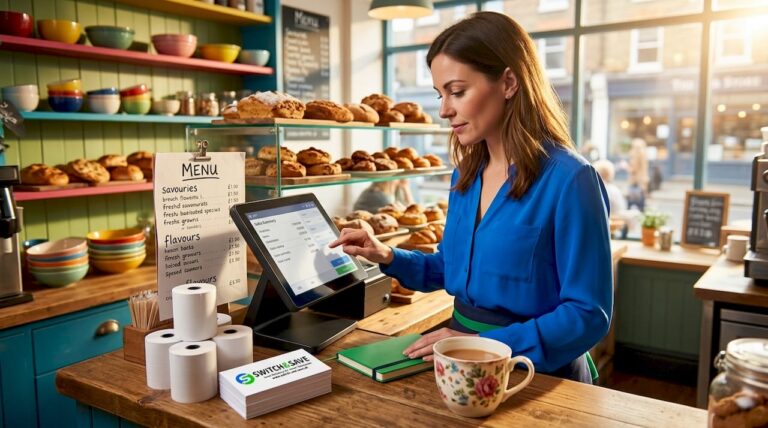
Choosing the right point of sale technology can feel overwhelming. With dozens of systems on the market, all claiming to be the best, UK retailers and hospitality owners often spend weeks researching, only to end up more confused than when they started. The truth is, the right system genuinely transforms how your business runs. It speeds up service, sharpens your stock control, and gives you real-time data you can actually act on. This article walks you through how to evaluate your options, profiles the leading systems available in the UK, and helps you match the right technology to your specific business type.
Table of Contents
- How to assess point of sale technology for your business
- Leading examples of point of sale technology in the UK
- Comparing top POS solutions: Features and benefits at a glance
- Which POS technology is best for your type of business?
- Perspective: Why the right POS technology defines your business success
- Find the ideal EPOS solution for your UK business
- Frequently asked questions
Key Takeaways
| Point | Details |
|---|---|
| Selection criteria matter | Focusing on features that match your sector is key to getting the right POS system. |
| UK POS examples | Top options like Toast Go 3, Lightspeed, and Epos Now serve different needs in retail and hospitality. |
| Direct comparison helps | Use a comparison table to align system strengths with your business needs quickly. |
| Custom-fit recommendations | Choose POS technology based on your specific business size, type, and workflow. |
How to assess point of sale technology for your business
Before you look at any specific system, you need a clear set of criteria. Without this, it’s easy to be swayed by flashy demos or low entry prices that don’t deliver long-term value. Modern POS system features have evolved significantly, and what worked five years ago may not serve you well today.
Here are the key factors every UK SME should evaluate:
- Ease of use. Your staff need to learn the system quickly. A complicated interface slows down service and leads to costly errors at the till.
- Integration capability. Does it connect with your accounting software, loyalty programme, or online ordering platform? Siloed systems create unnecessary manual work.
- Cost transparency. Look beyond the upfront hardware cost. Monthly software fees, transaction charges, and support contracts all add up over time.
- UK-based support. When something goes wrong during a busy Saturday lunch service, you need help fast. Check whether support is local and available when you need it.
- Scalability. If you plan to open a second location or expand your product range, your system should grow with you without requiring a complete overhaul.
- Hardware flexibility. Some systems lock you into proprietary hardware. Others work with tablets and standard peripherals, giving you more control over costs.
- Data and reporting. Real-time sales dashboards, stock alerts, and end-of-day summaries help you make smarter decisions faster.
- Payment processing. Integrated card and contactless payments reduce errors and speed up transactions.
As best POS systems for restaurants research confirms, POS technology should meet modern business needs for both retail and hospitality sectors. That means thinking beyond the till and considering the full operational picture.
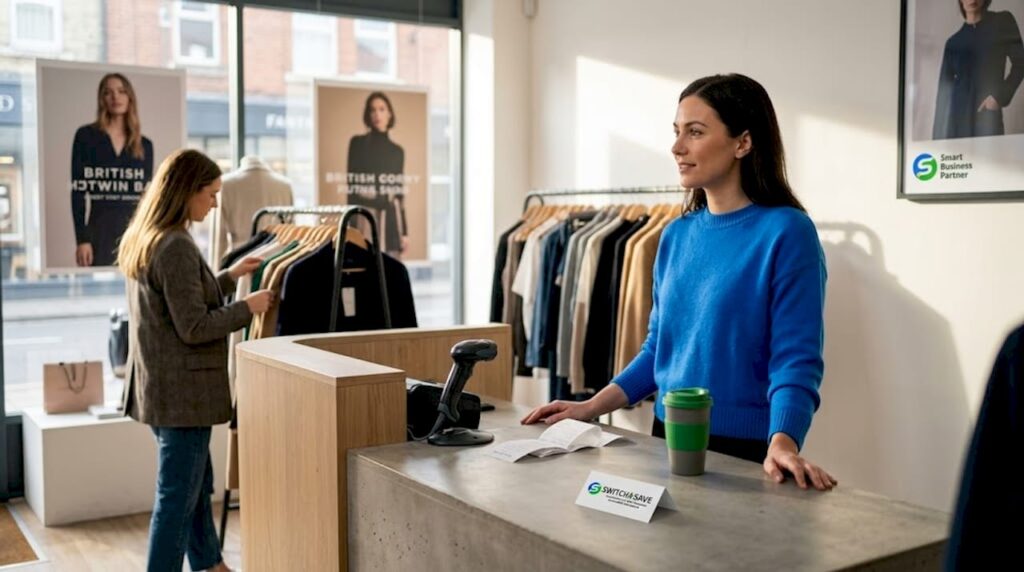
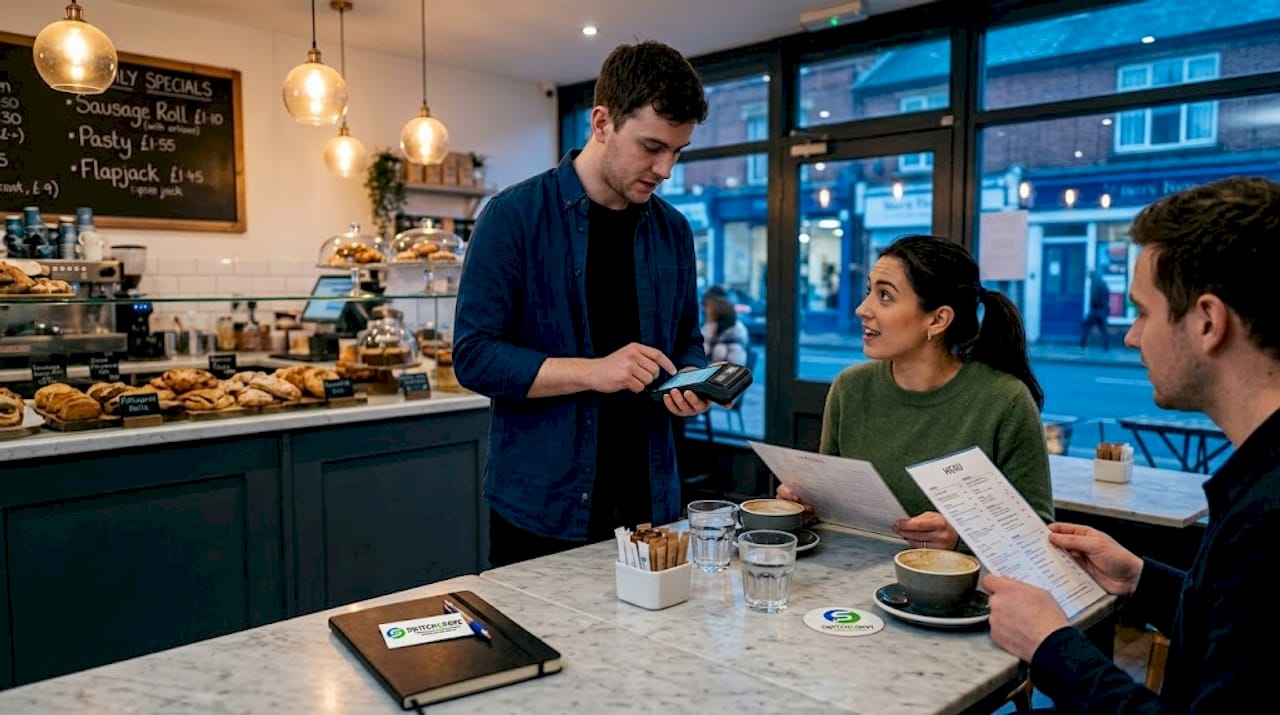
When it comes to sector-specific needs, a café has very different requirements from a clothing boutique. Hospitality businesses need table management, kitchen display integration, and fast handheld ordering. Retailers need barcode scanning, multi-variant stock management, and customer purchase history. Understanding these distinctions before you shop is essential. If you’re unsure where to start, our guide on how to choose the right retail POS breaks it down clearly.
Pro Tip: Prioritise cloud-based systems that receive automatic software updates. This keeps your technology current without costly manual upgrades, and gives you remote access to your data from any device.
Leading examples of point of sale technology in the UK
With your evaluation criteria in place, let’s look at the systems most relevant to UK retail and hospitality businesses right now.
Toast Go 3
Toast is a well-known name in hospitality POS. Their latest device, the Toast Go 3, is a significant step forward. As reported by GuruFocus, Toast Go 3 is positioned for global roll-out including the UK, and features the ability to switch seamlessly between Wi-Fi and cellular networks. This means staff can take orders, process payments, and print receipts even if the broadband drops. That kind of resilience matters enormously in busy restaurant environments.
Key features:
- Handheld table-side ordering and payment
- Dual connectivity (Wi-Fi and cellular)
- Integrated kitchen display system compatibility
- Real-time reporting via the Toast dashboard
Best for: Restaurants, bars, and pubs needing fast, reliable tableside service.
Lightspeed
Lightspeed is a versatile platform that serves both retail and hospitality. It’s particularly strong for businesses with complex stock requirements, such as fashion retailers managing multiple sizes, colours, and variants. As noted in UK POS roundups, established vendors like Lightspeed are frequently referenced for both hospitality and retail use cases.
Key features:
- Advanced inventory management with variant tracking
- Integrated e-commerce to sync in-store and online stock
- Detailed sales analytics and supplier management
- Works across multiple locations from a single dashboard
Best for: Mid-sized retailers and restaurants managing complex stock or multi-site operations.
Square
Square is often the first choice for small businesses and sole traders because of its accessible entry point. The free card reader and no monthly fee option make it easy to get started, though transaction fees apply. It handles retail and hospitality functions and integrates well with third-party apps.
Key features:
- Free hardware to start, with scalable upgrades
- Built-in payment processing with transparent fees
- Online store integration
- Appointment booking for service-based businesses
Best for: Start-ups, market traders, and small independents who need a low-risk entry into digital payments.
Epos Now
Epos Now is a UK-founded brand, which gives it a strong understanding of the local market. It caters to both retail and hospitality and is known for its open app marketplace, allowing businesses to add specific integrations such as delivery platforms and accountancy tools.
Key features:
- UK-based customer support
- Large app marketplace for custom integrations
- Cloud-based with remote management
- Sector-specific retail and hospitality versions
Best for: UK businesses that want a locally developed system with flexible add-ons.
Zonal
Zonal is a hospitality specialist and a favourite among larger UK pub groups, hotel chains, and restaurant operators. It offers deep integration across the customer journey, from reservations to table ordering to loyalty programmes. If you’re running a complex hospitality operation, Zonal is worth serious consideration.
Key features:
- Enterprise-level hospitality management
- Integrated booking, loyalty, and kitchen display systems
- Real-time business intelligence dashboards
- Robust multi-site management tools
Best for: Larger hospitality operators and growing restaurant chains.
“The best POS technology doesn’t just process transactions. It connects every part of your operation, from stock room to service floor, in real time.”
If you’re exploring options for your shop or restaurant, our breakdown of the top EPOS for retail covers specific system recommendations, and our piece on hospitality EPOS efficiency addresses sector-specific gains in detail.
Comparing top POS solutions: Features and benefits at a glance
Here’s a side-by-side look at how these platforms stack up across the criteria that matter most to UK SMEs.
| Platform | Sector focus | Key features | Hardware options | Standout benefit |
|---|---|---|---|---|
| Toast Go 3 | Hospitality | Handheld ordering, dual connectivity | Proprietary handheld devices | Offline resilience via cellular |
| Lightspeed | Retail and hospitality | Multi-variant stock, e-commerce sync | Tablet and proprietary options | Complex inventory management |
| Square | Retail and hospitality | Payments, online store, appointments | Free reader, scalable hardware | Low-cost entry point |
| Epos Now | Retail and hospitality | App marketplace, cloud dashboard | Flexible UK hardware options | Local support and open integrations |
| Zonal | Hospitality | Reservations, loyalty, KDS | Specialist hospitality hardware | End-to-end hospitality management |
As established UK POS vendors consistently show, no single system is perfect for every business. The right choice depends on your sector, size, and growth plans.
For a broader understanding of what these systems do at their core, our complete POS system guide is a good starting point. And if you’re focused on commercial outcomes, see how the right system can increase retail sales through improved service speed and smarter upselling prompts.
Pro Tip: Cloud-based systems back up your data automatically and let you access reports remotely. If you ever need to check yesterday’s takings from home, or spot a stock issue before your manager calls you, cloud access makes it possible without any extra setup.
Which POS technology is best for your type of business?
Here’s where it gets practical. Let’s map the most common UK business scenarios to the technology that fits them best.
Scenario 1: Independent retailer (single site)
You run a gift shop, clothing boutique, or convenience store. You need solid stock tracking, fast checkout, and basic reporting. Square or Epos Now are strong starting points. Both offer straightforward setup and good support, with room to add features as you grow.
Scenario 2: Small to medium restaurant or café
You’re managing covers, kitchen orders, and card payments simultaneously. Toast Go 3 or Epos Now’s hospitality version would serve you well. The handheld ordering capability of Toast Go 3, in particular, speeds up table turns and reduces order errors, which directly improves revenue per service.
Scenario 3: Multi-site retail chain
You have two or more locations and need centralised stock control and consistent reporting. Lightspeed is built for this. Its multi-site dashboard lets you manage all locations from one login, compare branch performance, and set pricing or promotions centrally.
Scenario 4: Larger hospitality operator (pub group, hotel)
You need integrated reservations, loyalty tracking, and sophisticated kitchen management. Zonal is the natural fit here. Its enterprise-level tools are specifically designed for complex hospitality operations where multiple revenue streams must work together seamlessly.
| Business type | Recommended system | Key reason |
|---|---|---|
| Independent retailer | Square or Epos Now | Easy setup, flexible cost |
| Small restaurant or café | Toast Go 3 or Epos Now | Handheld ordering, resilient connectivity |
| Multi-site retail | Lightspeed | Centralised multi-location control |
| Large hospitality operator | Zonal | Full-service hospitality management |
As leading POS platforms demonstrate, matching your system to your actual business model, rather than choosing the most popular or cheapest option, is what produces lasting results.
Before committing, always request a free trial or demo. Most providers offer this, and it gives you and your staff a chance to experience the real interface under everyday conditions. Our POS installation guide covers what to expect during setup, and our advice on retail POS choice helps you avoid the most common selection mistakes.
Perspective: Why the right POS technology defines your business success
Here’s something most POS comparison articles won’t tell you. The technology itself is only half the story. The bigger risk isn’t choosing the wrong system. It’s choosing for the wrong reasons.
We see it regularly. A business owner selects a system because it was the cheapest at the time, or because a supplier pushed it hard, or because it looked impressive in a demo. Six months later, the limitations start to show. Staff find workarounds. Data doesn’t sync properly. Customer service becomes a game of logging tickets and waiting. The cost of switching then feels too high, so the business stays stuck with a tool that’s slowing it down.
The smarter approach is to treat your POS as a strategic investment, not just an operational expense. Think about where your business will be in three years. Will you need to add a second site? Will you launch online sales? Will you run a loyalty scheme? A system that handles today’s needs perfectly but can’t scale with you will cost far more in the long run than a slightly pricier option that grows alongside you.
There’s also the question of data. Modern POS system features now include AI-powered insights that flag your best-selling products, your quietest trading hours, and your highest-value customers. If your current system can’t tell you those things, you’re running on instinct instead of evidence. And in a competitive market, that’s a genuine disadvantage.
One more thing worth saying. Support quality varies enormously across providers. A system with brilliant features and poor support is a liability. When your system goes down at 7pm on a Friday evening, you need someone who picks up the phone and knows your setup. That’s not a small detail. It’s a deciding factor.
The businesses that get the most from their POS technology are the ones that treat it as a partnership, not a purchase. Choose a provider who understands your sector, offers reliable UK support, and invests in keeping their platform current. That’s the combination that drives real, sustainable growth.
Find the ideal EPOS solution for your UK business
If this article has helped you get clearer on what you need, the next step is simple. Switch & Save offers a range of EPOS systems designed specifically for UK retail and hospitality businesses, with transparent pricing and no hidden fees.
Whether you run a single shop or a growing restaurant group, we have solutions built around how UK businesses actually operate. Browse our EPOS bundles to compare hardware and software packages, or explore our dedicated hospitality EPOS system for sector-specific tools. You can also request a free demo and speak directly with our UK-based team, who’ll recommend the right system for your size, sector, and budget. 👉 Get started today and see the difference the right technology makes.
Frequently asked questions
What is the main difference between retail and hospitality POS technology?
Hospitality POS systems emphasise table management, handheld ordering, and kitchen display integration, while retail POS focuses on inventory tracking, barcode scanning, and sales reporting. For example, devices like the Toast Go 3 handheld are designed specifically for tableside ordering and payment in busy restaurant environments.
Are mobile POS systems suitable for small businesses in the UK?
Yes, mobile POS devices give small businesses the flexibility to take payments anywhere, whether on the shop floor, at a market stall, or tableside. The Toast Go 3 highlights features like switching between Wi-Fi and cellular networks, making it especially resilient for fast-paced hospitality settings.
How do I know if I need an integrated POS system?
If you’re managing stock, tracking daily sales, and processing card payments separately, an integrated system brings all of those functions together in one place. As modern POS research confirms, a good POS should meet the full operational needs of both retail and hospitality businesses.
Can POS solutions help my business grow and increase profits?
Absolutely. Faster service, accurate stock control, and detailed sales reporting all contribute to better margins and a stronger customer experience. Evidence from UK POS reviews consistently shows that the right system directly supports efficiency and profit growth across both sectors.