
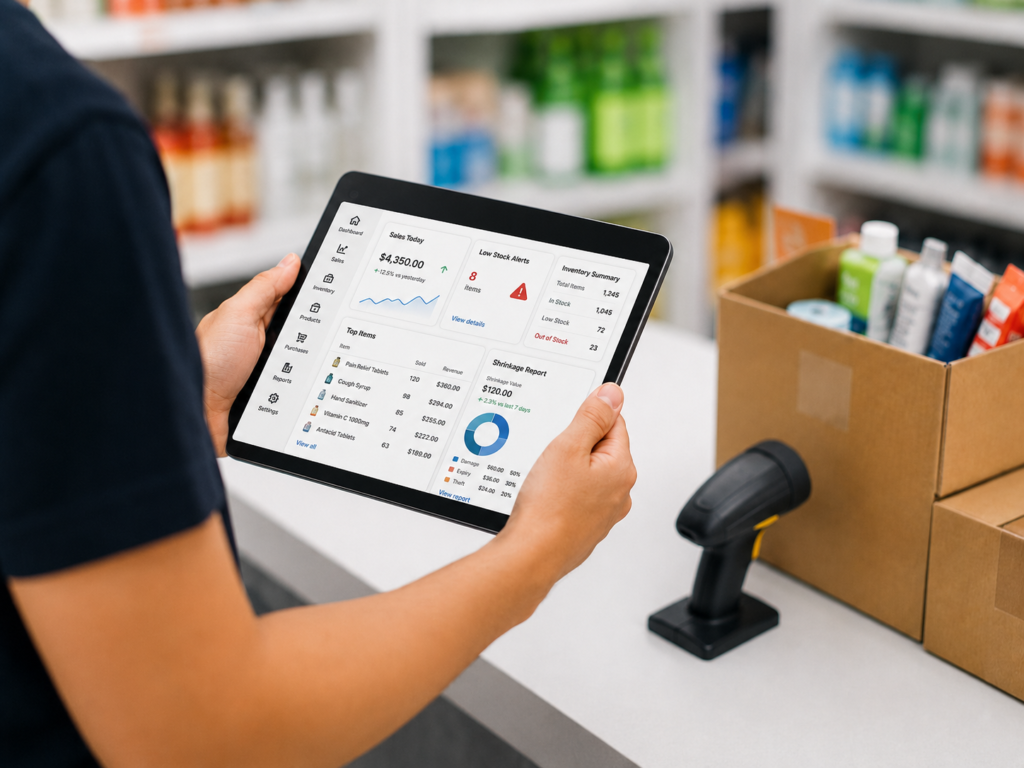
An EPOS system helps prevent stock theft and shrinkage by recording every sale, refund, void, discount, stock adjustment and staff action in one central system. Business owners can compare expected stock levels with actual quantities, identify unusual activity and investigate discrepancies before losses become a recurring problem.
Effective EPOS system stock theft prevention does not rely on cameras or trust alone. It creates a digital audit trail showing what happened, when it happened and which employee account performed the action. For UK retailers, restaurants, takeaways, bars and other stock-based businesses, this makes it easier to control inventory, improve staff accountability and reduce avoidable losses.
Key Takeaways
| EPOS feature | How it helps prevent theft and shrinkage |
|---|---|
| Real-time stock tracking | Highlights differences between recorded sales and remaining stock |
| Staff login controls | Connects each transaction and adjustment to an individual user |
| Refund and void reports | Identifies unusual cancellations, refunds or deleted transactions |
| Stock adjustment records | Requires stock changes to be documented with a reason |
| Low-stock alerts | Flags unexpected stock reductions earlier |
| Product-level reporting | Reveals which items are disappearing or being wasted most often |
| Cash and payment reconciliation | Helps identify differences between sales, payments and till totals |
| Multi-location reporting | Tracks transfers and stock movements between branches or storage areas |
What Are Stock Theft and Shrinkage?
Stock shrinkage is the difference between the inventory a business believes it has and the stock that is physically available.
Shrinkage may be caused by:
- Employee theft
- Customer shoplifting
- Unrecorded wastage
- Incorrect deliveries
- Supplier shortages
- Pricing or barcode errors
- Unauthorised discounts
- Refund and void misuse
- Poor stock-counting procedures
- Products being consumed without being entered as sales
Not every discrepancy is deliberate theft. A restaurant may lose ingredients because portions are inconsistent. A convenience store may receive fewer items than stated on a supplier invoice. A bar may experience losses because drinks are over-poured or given away without being entered into the till.
An EPOS system helps separate genuine mistakes from suspicious behaviour by providing accurate transaction and inventory records.
How Does an EPOS System Help Prevent Stock Theft?
An EPOS system creates accountability across the complete stock journey. Products can be tracked from purchase and delivery through to sale, return, wastage or transfer.
When the physical quantity does not match the system quantity, the owner has information that can help identify where the problem occurred.
It records every product sold
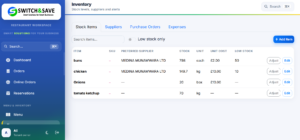
Each time an employee processes a transaction, the EPOS system reduces the relevant product quantity from the recorded inventory.
For example, if a grocery shop receives 100 bottles of soft drink and sells 65, the system should show 35 remaining. If a physical count finds only 29, the owner knows that six bottles are unaccounted for.
The discrepancy may have been caused by breakages, incorrect deliveries, scanning errors or theft. The EPOS reports give the owner a clear starting point for the investigation.
It creates individual staff accountability
Modern EPOS systems allow each employee to use a personal login, PIN, card or account.
This means actions can be linked to the member of staff who performed them, including:
- Sales
- Refunds
- Voids
- Discounts
- Price changes
- No-sale cash drawer openings
- Stock adjustments
- Returns
- Deleted orders
Shared till accounts make it difficult to determine who completed a suspicious transaction. Individual staff permissions create a clearer audit trail and discourage unauthorised activity.
It identifies unusual refunds and voids
Refund and void misuse can be a significant source of internal shrinkage.
For example, an employee could accept payment from a customer, cancel the transaction afterwards and remove the equivalent amount from the till. An employee might also create a false refund without a genuine customer return.
An EPOS system can report:
- The number of refunds processed by each employee
- The value of refunded transactions
- Reasons entered for refunds
- Orders voided after payment
- Items removed from open orders
- Refund activity by date and time
- Manager approvals
A single refund does not prove misconduct. However, repeated activity from the same user, particularly without supporting reasons, should be reviewed.
EPOS Features That Reduce Stock Shrinkage
Real-time inventory tracking
Real-time inventory tracking gives owners an updated view of expected stock levels as sales are completed.
Instead of waiting until the end of the month to discover a problem, the business can review discrepancies daily or weekly. Faster detection prevents small issues from continuing unnoticed.
A suitable retail EPOS system can show stock quantities, product sales, adjustments and reorder information from the same platform.
Stock adjustment audit trails
There are valid reasons to adjust stock, including:
- Damaged products
- Expired items
- Supplier shortages
- Internal transfers
- Incorrect initial quantities
- Customer returns
- Preparation waste
- Stock-count corrections
However, unrestricted stock adjustments can hide theft or poor procedures.
A controlled EPOS system should record the quantity changed, the reason, the employee, the date and the location. Some systems can also require manager authorisation before an adjustment is posted.
This turns a vague stock reduction into a documented event that can be reviewed.
Role-based staff permissions
Not every employee needs permission to refund orders, modify prices or alter inventory.
Role-based access allows a business owner to decide which employees can:
- Apply discounts
- Process refunds
- Cancel completed orders
- Open the cash drawer without a sale
- View sensitive reports
- Change product prices
- Edit stock quantities
- Manage suppliers
- Complete end-of-day procedures
A cashier may be allowed to process standard sales while a supervisor approves refunds and stock adjustments.
Switch & Save’s AI-powered EPOS systems can help businesses organise operational controls around staff responsibilities rather than giving every user full access.
Discount monitoring
Discounts can help increase sales, reward loyal customers and clear slow-moving stock. They can also be misused.
An employee might apply an unauthorised discount to a friend, reduce an item price and retain the difference, or repeatedly override prices without explanation.
An EPOS discount report can show:
- Who applied the discount
- Which products were discounted
- The discount percentage or amount
- When it was applied
- Whether approval was required
- The total value of discounts by employee
Business owners should review discount patterns rather than treating every discounted transaction as suspicious.
Cash drawer and payment reconciliation
Stock theft and cash discrepancies can be connected.
If an item leaves the premises without being processed correctly, the expected cash, card payment and stock quantities may no longer align.
An EPOS system can compare:
- Sales totals
- Cash payments
- Card payments
- Refunds
- Paid-outs
- Cash drawer openings
- Expected till balance
- Actual till balance
Integrated card payment solutions can reduce manual entry and make reconciliation more reliable because card transactions and EPOS sales can be matched more easily.
Purchase order and delivery checks
Shrinkage can begin before products reach the sales floor.
A supplier invoice might state that 50 units were delivered when only 47 were received. Without a structured receiving process, the missing stock may not be identified.
EPOS purchase-order functionality allows staff to compare:
- Quantity ordered
- Quantity delivered
- Quantity accepted
- Damaged items
- Outstanding items
- Supplier invoice details
The employee receiving the goods can record shortages immediately instead of adjusting stock later without an explanation.
Product-level performance reports
Stock shrinkage is not always distributed evenly. Certain products may be more vulnerable because they are valuable, easy to conceal, frequently handled or difficult to measure.
Product-level reports can highlight:
- High-selling items with frequent stock differences
- Products with repeated adjustments
- Items with high wastage
- Products commonly refunded
- High-value goods with low margins
- Items frequently transferred between locations
This allows businesses to focus stock checks on the areas carrying the greatest operational risk.
Low-stock and unexpected-usage alerts
Low-stock alerts are normally used for reordering, but they can also reveal abnormal usage.
For example, a café may expect to use a certain quantity of coffee beans based on the drinks sold. If recorded stock falls much faster than sales indicate, the owner can investigate portion control, waste, unrecorded staff drinks or incorrect recipe settings.
The system does not automatically prove theft. It identifies patterns that require attention.
How EPOS Prevents Theft in Different UK Businesses
Retail shops and grocery stores
Retail businesses can use barcode scanning, real-time stock updates and regular cycle counts to identify missing products.
A convenience store could compare daily sales with the remaining quantities of tobacco, alcohol, confectionery or other controlled products. High-risk items can be counted more frequently without completing a full shop inventory every day.
Restaurants, cafés and takeaways
Hospitality businesses experience shrinkage through over-portioning, unrecorded meals, ingredient waste and incorrect order entry.
A hospitality EPOS system can connect menu-item sales with stock usage. Owners can review voided dishes, complimentary items, cancelled orders, staff meals and wastage.
For example, if 40 burgers are recorded as sold but 50 burger portions have been used, the difference should be investigated.
Pubs and bars
Bars can use EPOS reporting to compare drink sales with stock usage. This can help uncover over-pouring, free drinks, unrecorded sales and incorrect measures.
Staff-level reports may also show unusual numbers of voided drinks, open-price sales or discounts during particular shifts.
Mobile phone and electronics shops
High-value items require product-level accountability.
Serial number or item-level tracking can help a mobile phone shop record when a device is received, transferred, sold or returned. Access to stock rooms and inventory adjustments should be restricted to authorised employees.
Multi-site businesses
Businesses with multiple shops need to distinguish legitimate transfers from unexplained stock reductions.
An EPOS platform can record:
- The sending branch
- The receiving branch
- The products transferred
- The employee responsible
- The dispatch date
- The receipt confirmation
Without transfer records, stock can appear missing from one branch and unexpectedly available at another.
Warning Signs Business Owners Should Monitor
EPOS reports should be reviewed for patterns rather than isolated incidents.
Potential warning signs include:
- Frequent refunds by one employee
- Repeated voids near the end of a shift
- Stock adjustments without clear reasons
- Excessive no-sale cash drawer openings
- Unusually high staff discounts
- Regular till shortages
- High wastage for specific products
- Missing stock during particular shifts
- Transfers that are not confirmed by the receiving location
- Sales completed under generic or shared staff accounts
- Stock levels repeatedly changed before a stock count
These indicators do not necessarily confirm theft. They help owners decide where further checks, training or tighter controls may be required.

How to Improve EPOS System Stock Theft Prevention
Technology works best when supported by clear business procedures.
Give every employee an individual login
Avoid shared staff accounts. Individual access makes reports more useful and strengthens accountability.
Restrict sensitive actions
Limit refunds, price overrides, stock changes and report access according to job responsibilities.
Require reasons for adjustments
Employees should select or enter a reason whenever stock is written off, transferred or corrected.
Review exception reports regularly
Daily or weekly exception reports should include refunds, voids, discounts, cash differences, stock adjustments and no-sale drawer openings.
Complete regular cycle counts
Instead of waiting for a full annual stocktake, count selected high-risk products more frequently.
Compare stock with sales and purchases
Review stock movements alongside supplier deliveries, sales, returns, wastage and transfers. Looking at one report in isolation may not explain the discrepancy.
Train employees properly
Not every stock difference is theft. Poor training can cause incorrect scans, duplicate entries, inaccurate receiving and unrecorded wastage.
Clear procedures reduce mistakes and make deliberate misuse easier to identify.
Act consistently
When unusual activity appears, investigate it fairly and consistently. Review the supporting records, speak to the relevant employees and avoid making accusations based only on one report.
Why Choose Switch & Save?
Switch & Save helps UK businesses improve stock visibility through AI-powered EPOS systems designed for retail and hospitality operations.
Depending on the business setup, an EPOS solution can bring together:
- Sales reporting
- Staff activity
- Inventory control
- Refund and void tracking
- Product performance
- Stock adjustments
- Payment reconciliation
- Purchase and supplier information
The objective is not simply to record transactions. It is to give business owners the information needed to reduce waste, control costs and make operational decisions with greater confidence.
Switch & Save also provides card payment solutions and business finance options, helping small businesses review more than one area of their operating costs.
Frequently Asked Questions
Can an EPOS system completely stop employee theft?
No system can guarantee that theft will never occur. An EPOS system reduces opportunities for unauthorised activity by recording staff actions, restricting permissions and highlighting unusual patterns. Physical security, staff training and consistent management procedures are still important.
How does an EPOS system detect stock shrinkage?
The system compares expected stock levels with physical stock counts. Expected stock is calculated using purchases, sales, returns, adjustments, wastage and transfers. A difference indicates that stock has not been accounted for correctly.
Which EPOS reports are best for detecting theft?
Useful reports include staff sales, refunds, voids, discounts, stock adjustments, no-sale drawer openings, till differences, product movement, wastage and inventory variance reports.
Can EPOS track stock used in recipes?
Hospitality EPOS systems may connect menu items with ingredients or recipe quantities. When a dish or drink is sold, the relevant ingredients can be deducted from inventory. This helps identify over-portioning, waste and unrecorded consumption.
Should employees be allowed to adjust stock?
Selected employees may need to make legitimate adjustments, but access should be controlled. Adjustments should include a reason, date, quantity and employee record. Higher-risk changes may require manager approval.
How often should stock reports be checked?
High-risk businesses should review key exception reports daily and complete regular product counts. The appropriate frequency depends on the value of the stock, transaction volume, staffing structure and previous discrepancies.
Can EPOS help prevent customer shoplifting?
An EPOS system cannot physically prevent shoplifting, but accurate inventory reporting can identify which products are repeatedly missing. This information can guide product placement, cycle counts, security measures and staff attention.
An EPOS system helps prevent stock theft and shrinkage by creating a reliable record of sales, refunds, discounts, adjustments, deliveries and employee actions. It gives business owners the visibility needed to identify unexplained losses, investigate unusual behaviour and improve stock-control procedures.
The strongest approach combines EPOS reporting with individual staff logins, controlled permissions, regular stock counts, clear adjustment reasons and consistent management reviews.
Switch & Save helps UK businesses reduce costs with AI-powered EPOS systems, card payment solutions and business finance.
Learn how an EPOS system helps prevent stock theft and shrinkage through real-time inventory tracking, staff controls, audit trails and detailed reporting.