Human error is one of the biggest silent profit killers in retail. Wrong prices, missed sales, stock mismatches, and reporting mistakes all add up. Most of these problems come from one place. Manual work.
This is exactly where an EPOS system changes the game.
Below is a clear breakdown of how EPOS systems reduce human errors and help retailers run smoother, smarter businesses.
1. No Manual Price Entry
With traditional tills or handwritten billing, staff have to remember prices or type them in manually. That is where mistakes happen. A wrong digit, a forgotten offer, or a rushed checkout can instantly create errors.
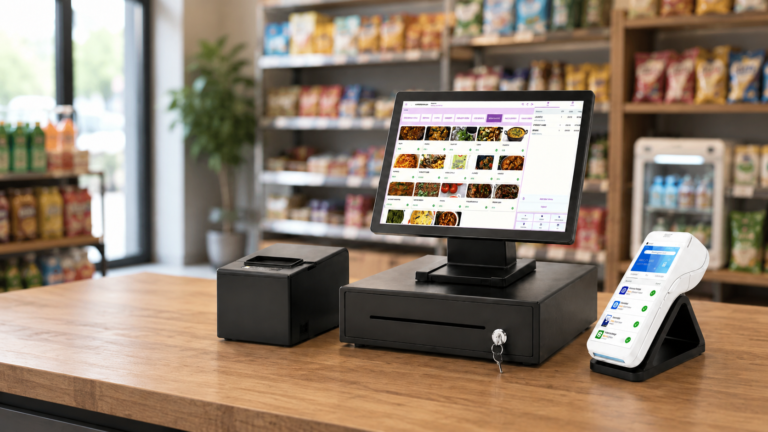
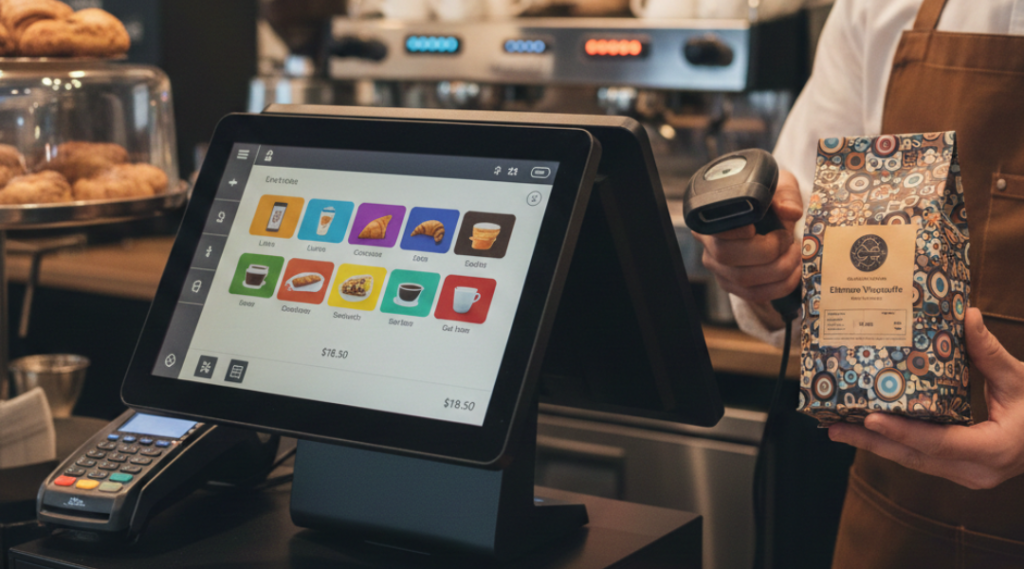
An EPOS system stores all product prices in advance. Staff simply scan the item or select it from the screen. The correct price appears automatically every time.
2. Automatic Calculations
Manual calculations are risky, especially during busy hours. Discounts, tax, totals, and change can easily go wrong when pressure is high.
EPOS systems calculate everything instantly. Subtotals, VAT, discounts, and final amounts are all handled by the system. This removes calculation mistakes completely.
The result is accurate bills and faster checkouts.
3. Real-Time Sales Recording
In manual systems, sales can be missed, written incorrectly, or forgotten entirely. This leads to inaccurate records and revenue gaps.
EPOS records every transaction automatically as it happens. Nothing relies on memory or manual notes. Every sale is logged with time, value, and product details.
This ensures clean and reliable sales data.
4. Automatic Inventory Updates
Stock errors are extremely common in manual setups. Items are sold but not deducted correctly. Counts are done by hand. Results are often wrong.
An EPOS system updates inventory in real time. Every sale reduces stock automatically. Returns and adjustments are also recorded correctly.
This removes stock mismatches and helps prevent overordering or stockouts.
5. Reduced Staff Dependency
When systems depend heavily on staff memory and experience, errors increase. New or temporary staff are more likely to make mistakes.
EPOS systems guide staff through the process. Clear product buttons, automated prompts, and simple workflows reduce confusion.
This makes training easier and keeps accuracy consistent across all staff members.
6. Centralized Data Management
Manual systems often spread data across notebooks, spreadsheets, and separate files. This increases the chance of duplication and loss.
EPOS keeps everything in one place. Sales, stock, staff activity, and reports are all stored centrally. This reduces data handling errors and keeps information consistent.
7. Error-Free Reporting
Manual reports take time and are prone to mistakes. Numbers can be entered incorrectly or skipped altogether.
EPOS systems generate reports automatically. Daily, weekly, and monthly reports are created based on real transaction data.
8. Secure Access Controls
Another hidden source of errors is unauthorized system access. When too many people can edit prices or records, mistakes increase.
EPOS systems allow role-based access. Staff only see what they need to see. Managers control sensitive data.
This reduces accidental changes and keeps records clean.
9. Fewer Cash Handling Mistakes
Cash counting errors are common at the end of the day. Manual tills often leave room for mismatch between sales and cash drawers.
EPOS tracks cash and card payments separately. End-of-day totals are clear and accurate.
This helps identify issues quickly and reduces financial discrepancies.
10. Consistency Across Multiple Locations
For businesses with more than one store, manual systems make consistency difficult. Different staff follow different methods.
EPOS standardizes processes across all locations. Pricing, stock, and reporting stay aligned.
Fewer inconsistencies mean fewer errors.
Human errors are not always caused by carelessness. Most of the time, they come from outdated systems and manual processes.
An EPOS system removes guesswork, reduces repetitive tasks, and automates critical operations. This leads to higher accuracy, better control, and more confidence in daily business decisions.
Looking to reduce errors and run your retail store more efficiently?
Get in touch with us today to find the right EPOS system for your business. Our team is here to guide you every step of the way.